
ServiceNow
Change and incident management · Where reasons live · Vulnerability context
- How it connects
- Pull Nakana polls the source's API with read-only credentials you create. History is back-filled when you connect.
- Push The source sends events to Nakana as they happen: webhooks, event streams or log forwarding. Seconds, not minutes.
- What Nakana reads
- Change requests and tasks, approvals, planned windows, CMDB CIs and relationships, blackout schedules, incidents
- Access you grant
- Integration user with read access to the change, CMDB, incident and user tables (REST Table API). Optional outbound REST message from a business rule for instant updates
- What Nakana writes back
- Verdicts and evidence as work notes on the change; retroactive change requests for unexplained emergency fixes
- Vulnerability context
- Vulnerability Response items linked to CIs
- Freshness
- Usually within a few minutes; history back-filled on connect
Example of what it adds to a change recordCHG0031207 approved by l.brandt · window Tue 21:00–23:00 · CIs: payments-api (prod)
Planned integration. Design partners set the build order. Ask about ServiceNow

Jira Service Management
Change and incident management · Where reasons live
- How it connects
- Pull Nakana polls the source's API with read-only credentials you create. History is back-filled when you connect.
- Push The source sends events to Nakana as they happen: webhooks, event streams or log forwarding. Seconds, not minutes.
- What Nakana reads
- Change and incident issues, approvals, linked CIs (Assets), status history
- Access you grant
- OAuth app with read scopes for Jira work and users. Webhooks for issue updates
- What Nakana writes back
- Comments with verdict and evidence; new issues for unexplained changes
- Freshness
- Usually within a few minutes; history back-filled on connect
Example of what it adds to a change recordCHG0031207 approved by l.brandt · window Tue 21:00–23:00 · CIs: payments-api (prod)
Planned integration. Design partners set the build order. Ask about Jira Service Management
Jira Software
Change and incident management · Where reasons live
- How it connects
- Pull Nakana polls the source's API with read-only credentials you create. History is back-filled when you connect.
- Push The source sends events to Nakana as they happen: webhooks, event streams or log forwarding. Seconds, not minutes.
- What Nakana reads
- Issues referenced in commits, branches and PRs; status and assignee
- Access you grant
- OAuth app with read scopes. Webhooks for issue updates
- What Nakana writes back
- Nothing. Read-only.
- Freshness
- Usually within a few minutes; history back-filled on connect
Example of what it adds to a change recordCHG0031207 approved by l.brandt · window Tue 21:00–23:00 · CIs: payments-api (prod)
Planned integration. Design partners set the build order. Ask about Jira Software

BMC Helix ITSM
Change and incident management · Where reasons live
- How it connects
- Pull Nakana polls the source's API with read-only credentials you create. History is back-filled when you connect.
- What Nakana reads
- Change requests, approvals, schedules, CIs
- Access you grant
- Read-only integration account on the Helix REST API
- What Nakana writes back
- Nothing. Read-only.
- Freshness
- Usually within a few minutes; history back-filled on connect
Example of what it adds to a change recordCHG0031207 approved by l.brandt · window Tue 21:00–23:00 · CIs: payments-api (prod)
Planned integration. Design partners set the build order. Ask about BMC Helix ITSM

Freshservice
Change and incident management · Where reasons live
- How it connects
- Pull Nakana polls the source's API with read-only credentials you create. History is back-filled when you connect.
- Push The source sends events to Nakana as they happen: webhooks, event streams or log forwarding. Seconds, not minutes.
- What Nakana reads
- Changes, releases, approvals, assets
- Access you grant
- API key of a read-only agent role. Workflow webhooks
- What Nakana writes back
- Nothing. Read-only.
- Freshness
- Usually within a few minutes; history back-filled on connect
Example of what it adds to a change recordCHG0031207 approved by l.brandt · window Tue 21:00–23:00 · CIs: payments-api (prod)
Planned integration. Design partners set the build order. Ask about Freshservice

Ivanti Neurons for ITSM
Change and incident management · Where reasons live
- How it connects
- Pull Nakana polls the source's API with read-only credentials you create. History is back-filled when you connect.
- What Nakana reads
- Change requests, approvals, CIs
- Access you grant
- Read-only REST integration account
- What Nakana writes back
- Nothing. Read-only.
- Freshness
- Usually within a few minutes; history back-filled on connect
Example of what it adds to a change recordCHG0031207 approved by l.brandt · window Tue 21:00–23:00 · CIs: payments-api (prod)
Planned integration. Design partners set the build order. Ask about Ivanti Neurons for ITSM

Azure Boards
Change and incident management · Where reasons live
- How it connects
- Pull Nakana polls the source's API with read-only credentials you create. History is back-filled when you connect.
- Push The source sends events to Nakana as they happen: webhooks, event streams or log forwarding. Seconds, not minutes.
- What Nakana reads
- Work items linked to commits and PRs
- Access you grant
- Personal access token or service principal with Work Items (read). Service hooks
- What Nakana writes back
- Nothing. Read-only.
- Freshness
- Usually within a few minutes; history back-filled on connect
Example of what it adds to a change recordCHG0031207 approved by l.brandt · window Tue 21:00–23:00 · CIs: payments-api (prod)
Planned integration. Design partners set the build order. Ask about Azure Boards

Linear
Change and incident management · Where reasons live
- How it connects
- Pull Nakana polls the source's API with read-only credentials you create. History is back-filled when you connect.
- Push The source sends events to Nakana as they happen: webhooks, event streams or log forwarding. Seconds, not minutes.
- What Nakana reads
- Issues linked to PRs and branches
- Access you grant
- Read-only API key or OAuth app. Webhooks
- What Nakana writes back
- Nothing. Read-only.
- Freshness
- Usually within a few minutes; history back-filled on connect
Example of what it adds to a change recordCHG0031207 approved by l.brandt · window Tue 21:00–23:00 · CIs: payments-api (prod)
Planned integration. Design partners set the build order. Ask about Linear

Opsgenie
Change and incident management · Where reasons live
- How it connects
- Pull Nakana polls the source's API with read-only credentials you create. History is back-filled when you connect.
- Push The source sends events to Nakana as they happen: webhooks, event streams or log forwarding. Seconds, not minutes.
- What Nakana reads
- Alerts, incidents, on-call schedules
- Access you grant
- API key with read access. Outgoing webhooks
- What Nakana writes back
- Notes on related alerts
- Freshness
- Usually within a few minutes; history back-filled on connect
Example of what it adds to a change recordCHG0031207 approved by l.brandt · window Tue 21:00–23:00 · CIs: payments-api (prod)
Planned integration. Design partners set the build order. Ask about Opsgenie

incident.io
Change and incident management · Where reasons live
- How it connects
- Pull Nakana polls the source's API with read-only credentials you create. History is back-filled when you connect.
- Push The source sends events to Nakana as they happen: webhooks, event streams or log forwarding. Seconds, not minutes.
- What Nakana reads
- Incidents, roles, timelines
- Access you grant
- Read-only API key. Webhooks
- What Nakana writes back
- Changes with verdicts added to the incident timeline
- Freshness
- Usually within a few minutes; history back-filled on connect
Example of what it adds to a change recordCHG0031207 approved by l.brandt · window Tue 21:00–23:00 · CIs: payments-api (prod)
Planned integration. Design partners set the build order. Ask about incident.io
FIFireHydrant
Change and incident management · Where reasons live
- How it connects
- Pull Nakana polls the source's API with read-only credentials you create. History is back-filled when you connect.
- Push The source sends events to Nakana as they happen: webhooks, event streams or log forwarding. Seconds, not minutes.
- What Nakana reads
- Incidents, change log, responders
- Access you grant
- Read-only bot token. Webhooks
- What Nakana writes back
- Nothing. Read-only.
- Freshness
- Usually within a few minutes; history back-filled on connect
Example of what it adds to a change recordCHG0031207 approved by l.brandt · window Tue 21:00–23:00 · CIs: payments-api (prod)
Planned integration. Design partners set the build order. Ask about FireHydrant

GitHub
Source control · Where reasons live · Where changes happen · Vulnerability context
- How it connects
- Pull Nakana polls the source's API with read-only credentials you create. History is back-filled when you connect.
- Push The source sends events to Nakana as they happen: webhooks, event streams or log forwarding. Seconds, not minutes.
- What Nakana reads
- Commits, PRs, reviews, merges, branch protection and ruleset changes, org audit log
- Access you grant
- GitHub App with read-only permissions (contents, pull requests, actions, administration, metadata). Webhooks for pushes, PRs, workflow runs and ruleset changes. Audit log API or audit log streaming on Enterprise Cloud
- What Nakana writes back
- Nothing. Read-only.
- Vulnerability context
- Dependabot alerts, code scanning alerts and the dependency graph (SBOM export)
- Freshness
- Usually within a few minutes; history back-filled on connect
Example of what it adds to a change recordPR #4821 "Retry on upstream 502" · 2 approvals · merged by d.ruiz · branch protection unchanged
Planned integration. Design partners set the build order. Ask about GitHub

GitLab
Source control · Where reasons live · Where changes happen · Vulnerability context
- How it connects
- Pull Nakana polls the source's API with read-only credentials you create. History is back-filled when you connect.
- Push The source sends events to Nakana as they happen: webhooks, event streams or log forwarding. Seconds, not minutes.
- What Nakana reads
- Commits, merge requests, approvals, protected branch changes, audit events
- Access you grant
- Token with read_api scope. Project or group webhooks. Self-managed instances through the relay
- What Nakana writes back
- Nothing. Read-only.
- Vulnerability context
- Dependency and container scanning findings in the vulnerability report (Ultimate)
- Freshness
- Usually within a few minutes; history back-filled on connect
Example of what it adds to a change recordPR #4821 "Retry on upstream 502" · 2 approvals · merged by d.ruiz · branch protection unchanged
Planned integration. Design partners set the build order. Ask about GitLab

Bitbucket
Source control · Where reasons live · Where changes happen
- How it connects
- Pull Nakana polls the source's API with read-only credentials you create. History is back-filled when you connect.
- Push The source sends events to Nakana as they happen: webhooks, event streams or log forwarding. Seconds, not minutes.
- What Nakana reads
- Commits, PRs, approvals, branch restrictions, audit log
- Access you grant
- Read-only OAuth consumer or access token. Webhooks
- What Nakana writes back
- Nothing. Read-only.
- Freshness
- Usually within a few minutes; history back-filled on connect
Example of what it adds to a change recordPR #4821 "Retry on upstream 502" · 2 approvals · merged by d.ruiz · branch protection unchanged
Planned integration. Design partners set the build order. Ask about Bitbucket
Azure Repos
Source control · Where reasons live · Where changes happen
- How it connects
- Pull Nakana polls the source's API with read-only credentials you create. History is back-filled when you connect.
- Push The source sends events to Nakana as they happen: webhooks, event streams or log forwarding. Seconds, not minutes.
- What Nakana reads
- Commits, PRs, policies
- Access you grant
- Service principal with Code (read). Service hooks
- What Nakana writes back
- Nothing. Read-only.
- Freshness
- Usually within a few minutes; history back-filled on connect
Example of what it adds to a change recordPR #4821 "Retry on upstream 502" · 2 approvals · merged by d.ruiz · branch protection unchanged
Planned integration. Design partners set the build order. Ask about Azure Repos

Gerrit
Source control · Where reasons live · Where changes happen
- How it connects
- Pull Nakana polls the source's API with read-only credentials you create. History is back-filled when you connect.
- Relay For systems that aren't reachable from the internet. One small relay container in your network makes outbound-only HTTPS connections. No inbound ports.
- What Nakana reads
- Changes, reviews, submits
- Access you grant
- Read-only service user over the REST API
- What Nakana writes back
- Nothing. Read-only.
- Freshness
- Usually within a few minutes; history back-filled on connect
Example of what it adds to a change recordPR #4821 "Retry on upstream 502" · 2 approvals · merged by d.ruiz · branch protection unchanged
Planned integration. Design partners set the build order. Ask about Gerrit

OpenSSF Scorecard
Source control · Where reasons live · Where changes happen
- How it connects
- Pull Nakana polls the source's API with read-only credentials you create. History is back-filled when you connect.
- What Nakana reads
- Repository security checks: branch protection, code review, dangerous workflows, pinned dependencies, signed releases
- Access you grant
- None for public results; runs against your repos with the GitHub App's read access
- What Nakana writes back
- Nothing. Read-only.
- Freshness
- Usually within a few minutes; history back-filled on connect
Example of what it adds to a change recordPR #4821 "Retry on upstream 502" · 2 approvals · merged by d.ruiz · branch protection unchanged
Planned integration. Design partners set the build order. Ask about OpenSSF Scorecard

GitHub Actions
CI/CD and deployment · Where reasons live · Where changes happen
- How it connects
- Pull Nakana polls the source's API with read-only credentials you create. History is back-filled when you connect.
- Push The source sends events to Nakana as they happen: webhooks, event streams or log forwarding. Seconds, not minutes.
- What Nakana reads
- Workflow runs, jobs, triggering actor, environments and approvals, workflow file changes, artifacts
- Access you grant
- Same GitHub App (actions: read). workflow_run webhooks
- What Nakana writes back
- Nothing. Read-only.
- Freshness
- Usually within a few minutes; history back-filled on connect
Example of what it adds to a change recordrelease.yml run 9912 · triggered by merge of PR #4821 · image sha256:a91f… signed
Planned integration. Design partners set the build order. Ask about GitHub Actions
GitLab CI/CD
CI/CD and deployment · Where reasons live · Where changes happen
- How it connects
- Pull Nakana polls the source's API with read-only credentials you create. History is back-filled when you connect.
- Push The source sends events to Nakana as they happen: webhooks, event streams or log forwarding. Seconds, not minutes.
- What Nakana reads
- Pipelines, jobs, deployments, environment approvals
- Access you grant
- read_api token. Pipeline and deployment webhooks
- What Nakana writes back
- Nothing. Read-only.
- Freshness
- Usually within a few minutes; history back-filled on connect
Example of what it adds to a change recordrelease.yml run 9912 · triggered by merge of PR #4821 · image sha256:a91f… signed
Planned integration. Design partners set the build order. Ask about GitLab CI/CD

Jenkins
CI/CD and deployment · Where reasons live · Where changes happen
- How it connects
- Relay For systems that aren't reachable from the internet. One small relay container in your network makes outbound-only HTTPS connections. No inbound ports.
- Push The source sends events to Nakana as they happen: webhooks, event streams or log forwarding. Seconds, not minutes.
- What Nakana reads
- Builds, parameters, triggering user, job config changes
- Access you grant
- Read-only user API token, usually through the relay. Notification plugin to push build events
- What Nakana writes back
- Nothing. Read-only.
- Freshness
- Seconds to minutes
Example of what it adds to a change recordrelease.yml run 9912 · triggered by merge of PR #4821 · image sha256:a91f… signed
Planned integration. Design partners set the build order. Ask about Jenkins

CircleCI
CI/CD and deployment · Where reasons live · Where changes happen
- How it connects
- Pull Nakana polls the source's API with read-only credentials you create. History is back-filled when you connect.
- Push The source sends events to Nakana as they happen: webhooks, event streams or log forwarding. Seconds, not minutes.
- What Nakana reads
- Pipelines, workflows, approvals, audit log
- Access you grant
- Read-only API token. Webhooks
- What Nakana writes back
- Nothing. Read-only.
- Freshness
- Usually within a few minutes; history back-filled on connect
Example of what it adds to a change recordrelease.yml run 9912 · triggered by merge of PR #4821 · image sha256:a91f… signed
Planned integration. Design partners set the build order. Ask about CircleCI
Azure Pipelines
CI/CD and deployment · Where reasons live · Where changes happen
- How it connects
- Pull Nakana polls the source's API with read-only credentials you create. History is back-filled when you connect.
- Push The source sends events to Nakana as they happen: webhooks, event streams or log forwarding. Seconds, not minutes.
- What Nakana reads
- Runs, releases, approvals, environment checks
- Access you grant
- Service principal with Build and Release (read). Service hooks
- What Nakana writes back
- Nothing. Read-only.
- Freshness
- Usually within a few minutes; history back-filled on connect
Example of what it adds to a change recordrelease.yml run 9912 · triggered by merge of PR #4821 · image sha256:a91f… signed
Planned integration. Design partners set the build order. Ask about Azure Pipelines

Buildkite
CI/CD and deployment · Where reasons live · Where changes happen
- How it connects
- Pull Nakana polls the source's API with read-only credentials you create. History is back-filled when you connect.
- Push The source sends events to Nakana as they happen: webhooks, event streams or log forwarding. Seconds, not minutes.
- What Nakana reads
- Builds, steps, block-step approvals, audit log
- Access you grant
- Read-only API token. Webhooks
- What Nakana writes back
- Nothing. Read-only.
- Freshness
- Usually within a few minutes; history back-filled on connect
Example of what it adds to a change recordrelease.yml run 9912 · triggered by merge of PR #4821 · image sha256:a91f… signed
Planned integration. Design partners set the build order. Ask about Buildkite

Argo CD
CI/CD and deployment · Where reasons live · Where changes happen
- How it connects
- Pull Nakana polls the source's API with read-only credentials you create. History is back-filled when you connect.
- Push The source sends events to Nakana as they happen: webhooks, event streams or log forwarding. Seconds, not minutes.
- What Nakana reads
- Application syncs, revisions, rollbacks, manual syncs and overrides
- Access you grant
- Read-only account or project role. Notifications controller webhook
- What Nakana writes back
- Nothing. Read-only.
- Freshness
- Usually within a few minutes; history back-filled on connect
Example of what it adds to a change recordrelease.yml run 9912 · triggered by merge of PR #4821 · image sha256:a91f… signed
Planned integration. Design partners set the build order. Ask about Argo CD

Flux
CI/CD and deployment · Where reasons live · Where changes happen
- How it connects
- Push The source sends events to Nakana as they happen: webhooks, event streams or log forwarding. Seconds, not minutes.
- Via log platform Nakana reads these events from Datadog, Splunk, Elastic or your SIEM, where you already send them. Nothing new to install.
- What Nakana reads
- Reconciliations, applied revisions, suspend and resume
- Access you grant
- Flux notification-controller provider pointed at Nakana
- What Nakana writes back
- Nothing. Read-only.
- Freshness
- Seconds after the event
Example of what it adds to a change recordrelease.yml run 9912 · triggered by merge of PR #4821 · image sha256:a91f… signed
Planned integration. Design partners set the build order. Ask about Flux

Spinnaker
CI/CD and deployment · Where reasons live · Where changes happen
- How it connects
- Pull Nakana polls the source's API with read-only credentials you create. History is back-filled when you connect.
- Push The source sends events to Nakana as they happen: webhooks, event streams or log forwarding. Seconds, not minutes.
- What Nakana reads
- Pipeline executions, manual judgments
- Access you grant
- Read-only service account. Echo webhooks
- What Nakana writes back
- Nothing. Read-only.
- Freshness
- Usually within a few minutes; history back-filled on connect
Example of what it adds to a change recordrelease.yml run 9912 · triggered by merge of PR #4821 · image sha256:a91f… signed
Planned integration. Design partners set the build order. Ask about Spinnaker

Harness
CI/CD and deployment · Where reasons live · Where changes happen
- How it connects
- Pull Nakana polls the source's API with read-only credentials you create. History is back-filled when you connect.
- Push The source sends events to Nakana as they happen: webhooks, event streams or log forwarding. Seconds, not minutes.
- What Nakana reads
- Deployments, approvals, audit trail
- Access you grant
- Read-only service account API key. Webhooks
- What Nakana writes back
- Nothing. Read-only.
- Freshness
- Usually within a few minutes; history back-filled on connect
Example of what it adds to a change recordrelease.yml run 9912 · triggered by merge of PR #4821 · image sha256:a91f… signed
Planned integration. Design partners set the build order. Ask about Harness

Octopus Deploy
CI/CD and deployment · Where reasons live · Where changes happen
- How it connects
- Pull Nakana polls the source's API with read-only credentials you create. History is back-filled when you connect.
- Push The source sends events to Nakana as they happen: webhooks, event streams or log forwarding. Seconds, not minutes.
- What Nakana reads
- Releases, deployments, manual interventions, audit events
- Access you grant
- API key for a read-only team. Subscriptions
- What Nakana writes back
- Nothing. Read-only.
- Freshness
- Usually within a few minutes; history back-filled on connect
Example of what it adds to a change recordrelease.yml run 9912 · triggered by merge of PR #4821 · image sha256:a91f… signed
Planned integration. Design partners set the build order. Ask about Octopus Deploy

AWS CodePipeline
CI/CD and deployment · Where reasons live · Where changes happen
- How it connects
- Push The source sends events to Nakana as they happen: webhooks, event streams or log forwarding. Seconds, not minutes.
- What Nakana reads
- Pipeline executions, approvals
- Access you grant
- EventBridge rule forwarding pipeline events to Nakana
- What Nakana writes back
- Nothing. Read-only.
- Freshness
- Seconds after the event
Example of what it adds to a change recordrelease.yml run 9912 · triggered by merge of PR #4821 · image sha256:a91f… signed
Planned integration. Design partners set the build order. Ask about AWS CodePipeline

Google Cloud Deploy
CI/CD and deployment · Where reasons live · Where changes happen
- How it connects
- Push The source sends events to Nakana as they happen: webhooks, event streams or log forwarding. Seconds, not minutes.
- What Nakana reads
- Releases, rollouts, approvals
- Access you grant
- Pub/Sub subscription on Cloud Deploy notifications
- What Nakana writes back
- Nothing. Read-only.
- Freshness
- Seconds after the event
Example of what it adds to a change recordrelease.yml run 9912 · triggered by merge of PR #4821 · image sha256:a91f… signed
Planned integration. Design partners set the build order. Ask about Google Cloud Deploy

Sigstore / cosign
CI/CD and deployment · Where reasons live · Where changes happen · Vulnerability context
- How it connects
- Pull Nakana polls the source's API with read-only credentials you create. History is back-filled when you connect.
- What Nakana reads
- Signatures and provenance attestations for deployed artifacts
- Access you grant
- Read access to your registry and transparency log
- What Nakana writes back
- Nothing. Read-only.
- Vulnerability context
- SBOM and vulnerability attestations attached to images
- Freshness
- Usually within a few minutes; history back-filled on connect
Example of what it adds to a change recordrelease.yml run 9912 · triggered by merge of PR #4821 · image sha256:a91f… signed
Planned integration. Design partners set the build order. Ask about Sigstore / cosign

Infrastructure as code and config management · Where reasons live · Where changes happen
- How it connects
- Pull Nakana polls the source's API with read-only credentials you create. History is back-filled when you connect.
- Push The source sends events to Nakana as they happen: webhooks, event streams or log forwarding. Seconds, not minutes.
- What Nakana reads
- Plans, applies, run triggers, state (which resources are managed)
- Access you grant
- Read-only team token. Run notifications webhook. Self-run Terraform: state bucket read access
- What Nakana writes back
- Nothing. Read-only.
- Freshness
- Usually within a few minutes; history back-filled on connect
Example of what it adds to a change recordHCP Terraform run run-8XkP · apply by pipeline · 3 resources changed · sg-0a41e not in plan
Planned integration. Design partners set the build order. Ask about Terraform / HCP Terraform

OpenTofu
Infrastructure as code and config management · Where reasons live · Where changes happen
- How it connects
- Pull Nakana polls the source's API with read-only credentials you create. History is back-filled when you connect.
- What Nakana reads
- Applies and state
- Access you grant
- Read access to the state backend; apply logs from CI
- What Nakana writes back
- Nothing. Read-only.
- Freshness
- Usually within a few minutes; history back-filled on connect
Example of what it adds to a change recordHCP Terraform run run-8XkP · apply by pipeline · 3 resources changed · sg-0a41e not in plan
Planned integration. Design partners set the build order. Ask about OpenTofu

Pulumi
Infrastructure as code and config management · Where reasons live · Where changes happen
- How it connects
- Pull Nakana polls the source's API with read-only credentials you create. History is back-filled when you connect.
- Push The source sends events to Nakana as they happen: webhooks, event streams or log forwarding. Seconds, not minutes.
- What Nakana reads
- Stack updates, history, resource ownership
- Access you grant
- Read-only access token. Webhooks
- What Nakana writes back
- Nothing. Read-only.
- Freshness
- Usually within a few minutes; history back-filled on connect
Example of what it adds to a change recordHCP Terraform run run-8XkP · apply by pipeline · 3 resources changed · sg-0a41e not in plan
Planned integration. Design partners set the build order. Ask about Pulumi

Infrastructure as code and config management · Where reasons live · Where changes happen
- How it connects
- Pull Nakana polls the source's API with read-only credentials you create. History is back-filled when you connect.
- Push The source sends events to Nakana as they happen: webhooks, event streams or log forwarding. Seconds, not minutes.
- What Nakana reads
- Stack events, change sets, drift results
- Access you grant
- Cross-account read-only IAM role. EventBridge for stack events
- What Nakana writes back
- Nothing. Read-only.
- Freshness
- Usually within a few minutes; history back-filled on connect
Example of what it adds to a change recordHCP Terraform run run-8XkP · apply by pipeline · 3 resources changed · sg-0a41e not in plan
Planned integration. Design partners set the build order. Ask about AWS CloudFormation

Azure Bicep / ARM
Infrastructure as code and config management · Where reasons live · Where changes happen
- How it connects
- Pull Nakana polls the source's API with read-only credentials you create. History is back-filled when you connect.
- What Nakana reads
- Deployment history and what-if results
- Access you grant
- Reader role on subscriptions
- What Nakana writes back
- Nothing. Read-only.
- Freshness
- Usually within a few minutes; history back-filled on connect
Example of what it adds to a change recordHCP Terraform run run-8XkP · apply by pipeline · 3 resources changed · sg-0a41e not in plan
Planned integration. Design partners set the build order. Ask about Azure Bicep / ARM

Crossplane
Infrastructure as code and config management · Where reasons live · Where changes happen
- How it connects
- Pull Nakana polls the source's API with read-only credentials you create. History is back-filled when you connect.
- What Nakana reads
- Managed resource events and compositions
- Access you grant
- Read-only ClusterRole
- What Nakana writes back
- Nothing. Read-only.
- Freshness
- Usually within a few minutes; history back-filled on connect
Example of what it adds to a change recordHCP Terraform run run-8XkP · apply by pipeline · 3 resources changed · sg-0a41e not in plan
Planned integration. Design partners set the build order. Ask about Crossplane

Infrastructure as code and config management · Where reasons live · Where changes happen
- How it connects
- Pull Nakana polls the source's API with read-only credentials you create. History is back-filled when you connect.
- Push The source sends events to Nakana as they happen: webhooks, event streams or log forwarding. Seconds, not minutes.
- Relay For systems that aren't reachable from the internet. One small relay container in your network makes outbound-only HTTPS connections. No inbound ports.
- What Nakana reads
- Job runs, launched-by user, inventory, changed hosts
- Access you grant
- Read-only user token. Notification webhooks
- What Nakana writes back
- Nothing. Read-only.
- Freshness
- Usually within a few minutes; history back-filled on connect
Example of what it adds to a change recordHCP Terraform run run-8XkP · apply by pipeline · 3 resources changed · sg-0a41e not in plan
Planned integration. Design partners set the build order. Ask about Ansible Automation Platform

Chef
Infrastructure as code and config management · Where reasons live · Where changes happen
- How it connects
- Pull Nakana polls the source's API with read-only credentials you create. History is back-filled when you connect.
- Relay For systems that aren't reachable from the internet. One small relay container in your network makes outbound-only HTTPS connections. No inbound ports.
- What Nakana reads
- Converge runs and changed resources
- Access you grant
- Read-only Chef Infra Server or Automate token
- What Nakana writes back
- Nothing. Read-only.
- Freshness
- Usually within a few minutes; history back-filled on connect
Example of what it adds to a change recordHCP Terraform run run-8XkP · apply by pipeline · 3 resources changed · sg-0a41e not in plan
Planned integration. Design partners set the build order. Ask about Chef

Puppet
Infrastructure as code and config management · Where reasons live · Where changes happen
- How it connects
- Pull Nakana polls the source's API with read-only credentials you create. History is back-filled when you connect.
- Relay For systems that aren't reachable from the internet. One small relay container in your network makes outbound-only HTTPS connections. No inbound ports.
- What Nakana reads
- Reports, changed resources, catalog changes
- Access you grant
- PuppetDB read-only query access
- What Nakana writes back
- Nothing. Read-only.
- Freshness
- Usually within a few minutes; history back-filled on connect
Example of what it adds to a change recordHCP Terraform run run-8XkP · apply by pipeline · 3 resources changed · sg-0a41e not in plan
Planned integration. Design partners set the build order. Ask about Puppet
SASalt
Infrastructure as code and config management · Where reasons live · Where changes happen
- How it connects
- Relay For systems that aren't reachable from the internet. One small relay container in your network makes outbound-only HTTPS connections. No inbound ports.
- Via log platform Nakana reads these events from Datadog, Splunk, Elastic or your SIEM, where you already send them. Nothing new to install.
- What Nakana reads
- Job returns and state changes
- Access you grant
- Returner or event bus forwarding to the relay
- What Nakana writes back
- Nothing. Read-only.
- Freshness
- Seconds to minutes
Example of what it adds to a change recordHCP Terraform run run-8XkP · apply by pipeline · 3 resources changed · sg-0a41e not in plan
Planned integration. Design partners set the build order. Ask about Salt
SPSpacelift
Infrastructure as code and config management · Where reasons live · Where changes happen
- How it connects
- Pull Nakana polls the source's API with read-only credentials you create. History is back-filled when you connect.
- Push The source sends events to Nakana as they happen: webhooks, event streams or log forwarding. Seconds, not minutes.
- What Nakana reads
- Runs, approvals, drift detection
- Access you grant
- Read-only API key. Webhooks
- What Nakana writes back
- Nothing. Read-only.
- Freshness
- Usually within a few minutes; history back-filled on connect
Example of what it adds to a change recordHCP Terraform run run-8XkP · apply by pipeline · 3 resources changed · sg-0a41e not in plan
Planned integration. Design partners set the build order. Ask about Spacelift
ENenv0
Infrastructure as code and config management · Where reasons live · Where changes happen
- How it connects
- Pull Nakana polls the source's API with read-only credentials you create. History is back-filled when you connect.
- Push The source sends events to Nakana as they happen: webhooks, event streams or log forwarding. Seconds, not minutes.
- What Nakana reads
- Deployments, approvals, drift
- Access you grant
- Read-only API key. Webhooks
- What Nakana writes back
- Nothing. Read-only.
- Freshness
- Usually within a few minutes; history back-filled on connect
Example of what it adds to a change recordHCP Terraform run run-8XkP · apply by pipeline · 3 resources changed · sg-0a41e not in plan
Planned integration. Design partners set the build order. Ask about env0
AWS CloudTrail
Cloud platforms · Where changes happen · Who people are
- How it connects
- Push The source sends events to Nakana as they happen: webhooks, event streams or log forwarding. Seconds, not minutes.
- Pull Nakana polls the source's API with read-only credentials you create. History is back-filled when you connect.
- What Nakana reads
- Management events across the organization, with the full role-assumption chain
- Access you grant
- Organization trail to S3 with SQS notifications, or an EventBridge rule. Cross-account read-only IAM role
- What Nakana writes back
- Nothing. Read-only.
- Freshness
- Seconds after the event
Example of what it adds to a change recordAuthorizeSecurityGroupIngress sg-0a41e 0.0.0.0/0:22 · console · assumed-role/Admin/j.ortiz
Planned integration. Design partners set the build order. Ask about AWS CloudTrail
AWS Config
Cloud platforms · Where changes happen · Who people are
- How it connects
- Pull Nakana polls the source's API with read-only credentials you create. History is back-filled when you connect.
- What Nakana reads
- Resource configuration history and relationships
- Access you grant
- Read-only IAM role (SecurityAudit-style) on the aggregator account
- What Nakana writes back
- Nothing. Read-only.
- Freshness
- Usually within a few minutes; history back-filled on connect
Example of what it adds to a change recordAuthorizeSecurityGroupIngress sg-0a41e 0.0.0.0/0:22 · console · assumed-role/Admin/j.ortiz
Planned integration. Design partners set the build order. Ask about AWS Config
AWS IAM Identity Center
Cloud platforms · Where changes happen · Who people are
- How it connects
- Pull Nakana polls the source's API with read-only credentials you create. History is back-filled when you connect.
- What Nakana reads
- Users, permission sets, sign-ins
- Access you grant
- Read-only IAM role
- What Nakana writes back
- Nothing. Read-only.
- Freshness
- Usually within a few minutes; history back-filled on connect
Example of what it adds to a change recordAuthorizeSecurityGroupIngress sg-0a41e 0.0.0.0/0:22 · console · assumed-role/Admin/j.ortiz
Planned integration. Design partners set the build order. Ask about AWS IAM Identity Center

Amazon Inspector
Cloud platforms · Where changes happen · Who people are · Vulnerability context
- How it connects
- Pull Nakana polls the source's API with read-only credentials you create. History is back-filled when you connect.
- Push The source sends events to Nakana as they happen: webhooks, event streams or log forwarding. Seconds, not minutes.
- What Nakana reads
- Package and image vulnerability findings for EC2, ECR and Lambda
- Access you grant
- Read-only IAM role. EventBridge for new findings
- What Nakana writes back
- Nothing. Read-only.
- Vulnerability context
- CVE findings per instance, image and function, with exploit availability
- Freshness
- Usually within a few minutes; history back-filled on connect
Example of what it adds to a change recordAuthorizeSecurityGroupIngress sg-0a41e 0.0.0.0/0:22 · console · assumed-role/Admin/j.ortiz
Planned integration. Design partners set the build order. Ask about Amazon Inspector
Azure Activity Log
Cloud platforms · Where changes happen · Who people are
- How it connects
- Push The source sends events to Nakana as they happen: webhooks, event streams or log forwarding. Seconds, not minutes.
- What Nakana reads
- Resource changes across subscriptions
- Access you grant
- Diagnostic setting streaming to an Event Hub Nakana reads. Reader role
- What Nakana writes back
- Nothing. Read-only.
- Freshness
- Seconds after the event
Example of what it adds to a change recordAuthorizeSecurityGroupIngress sg-0a41e 0.0.0.0/0:22 · console · assumed-role/Admin/j.ortiz
Planned integration. Design partners set the build order. Ask about Azure Activity Log

Microsoft Entra audit logs
Cloud platforms · Where changes happen · Who people are
- How it connects
- Pull Nakana polls the source's API with read-only credentials you create. History is back-filled when you connect.
- What Nakana reads
- Directory, app and role changes; PIM activations
- Access you grant
- Microsoft Graph app with AuditLog.Read.All and Directory.Read.All
- What Nakana writes back
- Nothing. Read-only.
- Freshness
- Usually within a few minutes; history back-filled on connect
Example of what it adds to a change recordAuthorizeSecurityGroupIngress sg-0a41e 0.0.0.0/0:22 · console · assumed-role/Admin/j.ortiz
Planned integration. Design partners set the build order. Ask about Microsoft Entra audit logs

Microsoft Defender for Cloud
Cloud platforms · Where changes happen · Who people are · Vulnerability context
- How it connects
- Pull Nakana polls the source's API with read-only credentials you create. History is back-filled when you connect.
- What Nakana reads
- Recommendations and alerts per resource
- Access you grant
- Security Reader role
- What Nakana writes back
- Nothing. Read-only.
- Vulnerability context
- Vulnerability assessment findings for VMs, containers and registries
- Freshness
- Usually within a few minutes; history back-filled on connect
Example of what it adds to a change recordAuthorizeSecurityGroupIngress sg-0a41e 0.0.0.0/0:22 · console · assumed-role/Admin/j.ortiz
Planned integration. Design partners set the build order. Ask about Microsoft Defender for Cloud
Azure Policy
Cloud platforms · Where changes happen · Who people are
- How it connects
- Pull Nakana polls the source's API with read-only credentials you create. History is back-filled when you connect.
- What Nakana reads
- Compliance state changes
- Access you grant
- Reader role
- What Nakana writes back
- Nothing. Read-only.
- Freshness
- Usually within a few minutes; history back-filled on connect
Example of what it adds to a change recordAuthorizeSecurityGroupIngress sg-0a41e 0.0.0.0/0:22 · console · assumed-role/Admin/j.ortiz
Planned integration. Design partners set the build order. Ask about Azure Policy
Google Cloud Audit Logs
Cloud platforms · Where changes happen · Who people are
- How it connects
- Push The source sends events to Nakana as they happen: webhooks, event streams or log forwarding. Seconds, not minutes.
- What Nakana reads
- Admin Activity logs across the organization
- Access you grant
- Organization log sink to Pub/Sub; Nakana subscribes
- What Nakana writes back
- Nothing. Read-only.
- Freshness
- Seconds after the event
Example of what it adds to a change recordAuthorizeSecurityGroupIngress sg-0a41e 0.0.0.0/0:22 · console · assumed-role/Admin/j.ortiz
Planned integration. Design partners set the build order. Ask about Google Cloud Audit Logs
Google Cloud Asset Inventory
Cloud platforms · Where changes happen · Who people are
- How it connects
- Pull Nakana polls the source's API with read-only credentials you create. History is back-filled when you connect.
- Push The source sends events to Nakana as they happen: webhooks, event streams or log forwarding. Seconds, not minutes.
- What Nakana reads
- Resource and IAM policy history
- Access you grant
- Cloud Asset Viewer role. Feeds to Pub/Sub
- What Nakana writes back
- Nothing. Read-only.
- Freshness
- Usually within a few minutes; history back-filled on connect
Example of what it adds to a change recordAuthorizeSecurityGroupIngress sg-0a41e 0.0.0.0/0:22 · console · assumed-role/Admin/j.ortiz
Planned integration. Design partners set the build order. Ask about Google Cloud Asset Inventory

Oracle Cloud Audit
Cloud platforms · Where changes happen · Who people are
- How it connects
- Pull Nakana polls the source's API with read-only credentials you create. History is back-filled when you connect.
- What Nakana reads
- API activity
- Access you grant
- Read-only policy for audit events
- What Nakana writes back
- Nothing. Read-only.
- Freshness
- Usually within a few minutes; history back-filled on connect
Example of what it adds to a change recordAuthorizeSecurityGroupIngress sg-0a41e 0.0.0.0/0:22 · console · assumed-role/Admin/j.ortiz
Planned integration. Design partners set the build order. Ask about Oracle Cloud Audit

Cloudflare
Cloud platforms · Where changes happen · Who people are
- How it connects
- Pull Nakana polls the source's API with read-only credentials you create. History is back-filled when you connect.
- What Nakana reads
- Audit logs, DNS, WAF and access policy changes
- Access you grant
- API token with read permissions on audit logs and zones
- What Nakana writes back
- Nothing. Read-only.
- Freshness
- Usually within a few minutes; history back-filled on connect
Example of what it adds to a change recordAuthorizeSecurityGroupIngress sg-0a41e 0.0.0.0/0:22 · console · assumed-role/Admin/j.ortiz
Planned integration. Design partners set the build order. Ask about Cloudflare

Vercel
Cloud platforms · Where changes happen · Who people are
- How it connects
- Pull Nakana polls the source's API with read-only credentials you create. History is back-filled when you connect.
- Push The source sends events to Nakana as they happen: webhooks, event streams or log forwarding. Seconds, not minutes.
- What Nakana reads
- Deployments, environment variable and project setting changes
- Access you grant
- Read-only token. Webhooks
- What Nakana writes back
- Nothing. Read-only.
- Freshness
- Usually within a few minutes; history back-filled on connect
Example of what it adds to a change recordAuthorizeSecurityGroupIngress sg-0a41e 0.0.0.0/0:22 · console · assumed-role/Admin/j.ortiz
Planned integration. Design partners set the build order. Ask about Vercel

Heroku
Cloud platforms · Where changes happen · Who people are
- How it connects
- Pull Nakana polls the source's API with read-only credentials you create. History is back-filled when you connect.
- Push The source sends events to Nakana as they happen: webhooks, event streams or log forwarding. Seconds, not minutes.
- What Nakana reads
- Releases, config var changes, collaborators
- Access you grant
- Read-only OAuth authorization. App webhooks
- What Nakana writes back
- Nothing. Read-only.
- Freshness
- Usually within a few minutes; history back-filled on connect
Example of what it adds to a change recordAuthorizeSecurityGroupIngress sg-0a41e 0.0.0.0/0:22 · console · assumed-role/Admin/j.ortiz
Planned integration. Design partners set the build order. Ask about Heroku

Kubernetes audit log
Kubernetes and containers · Where changes happen
- How it connects
- Push The source sends events to Nakana as they happen: webhooks, event streams or log forwarding. Seconds, not minutes.
- Via log platform Nakana reads these events from Datadog, Splunk, Elastic or your SIEM, where you already send them. Nothing new to install.
- What Nakana reads
- Every write to the API server: who, what, which fields
- Access you grant
- Audit webhook backend pointed at Nakana, or managed control-plane logs. Read-only ClusterRole (get, list, watch) for current state
- What Nakana writes back
- Nothing. Read-only.
- Freshness
- Seconds after the event
Example of what it adds to a change recordpatch deployments/payments-api · user system:serviceaccount:argocd:argocd-application-controller
Planned integration. Design partners set the build order. Ask about Kubernetes audit log
Amazon EKS
Kubernetes and containers · Where changes happen
- How it connects
- Pull Nakana polls the source's API with read-only credentials you create. History is back-filled when you connect.
- Via log platform Nakana reads these events from Datadog, Splunk, Elastic or your SIEM, where you already send them. Nothing new to install.
- What Nakana reads
- Control-plane audit logs, access entries
- Access you grant
- EKS audit logging to CloudWatch Logs; read-only IAM role
- What Nakana writes back
- Nothing. Read-only.
- Freshness
- Usually within a few minutes; history back-filled on connect
Example of what it adds to a change recordpatch deployments/payments-api · user system:serviceaccount:argocd:argocd-application-controller
Planned integration. Design partners set the build order. Ask about Amazon EKS
Azure AKS
Kubernetes and containers · Where changes happen
- How it connects
- Push The source sends events to Nakana as they happen: webhooks, event streams or log forwarding. Seconds, not minutes.
- What Nakana reads
- Control-plane audit logs
- Access you grant
- Diagnostic setting to Event Hub
- What Nakana writes back
- Nothing. Read-only.
- Freshness
- Seconds after the event
Example of what it adds to a change recordpatch deployments/payments-api · user system:serviceaccount:argocd:argocd-application-controller
Planned integration. Design partners set the build order. Ask about Azure AKS
Google GKE
Kubernetes and containers · Where changes happen
- How it connects
- Push The source sends events to Nakana as they happen: webhooks, event streams or log forwarding. Seconds, not minutes.
- What Nakana reads
- Control-plane audit logs
- Access you grant
- Included in the Cloud Audit Logs sink
- What Nakana writes back
- Nothing. Read-only.
- Freshness
- Seconds after the event
Example of what it adds to a change recordpatch deployments/payments-api · user system:serviceaccount:argocd:argocd-application-controller
Planned integration. Design partners set the build order. Ask about Google GKE

Red Hat OpenShift
Kubernetes and containers · Where changes happen
- How it connects
- Push The source sends events to Nakana as they happen: webhooks, event streams or log forwarding. Seconds, not minutes.
- Relay For systems that aren't reachable from the internet. One small relay container in your network makes outbound-only HTTPS connections. No inbound ports.
- What Nakana reads
- API audit log, OAuth audit
- Access you grant
- Audit log forwarding; read-only ClusterRole
- What Nakana writes back
- Nothing. Read-only.
- Freshness
- Seconds after the event
Example of what it adds to a change recordpatch deployments/payments-api · user system:serviceaccount:argocd:argocd-application-controller
Planned integration. Design partners set the build order. Ask about Red Hat OpenShift

Helm
Kubernetes and containers · Where changes happen
- How it connects
- Pull Nakana polls the source's API with read-only credentials you create. History is back-filled when you connect.
- What Nakana reads
- Release history and values changes
- Access you grant
- Read-only ClusterRole on release secrets
- What Nakana writes back
- Nothing. Read-only.
- Freshness
- Usually within a few minutes; history back-filled on connect
Example of what it adds to a change recordpatch deployments/payments-api · user system:serviceaccount:argocd:argocd-application-controller
Planned integration. Design partners set the build order. Ask about Helm

Kyverno
Kubernetes and containers · Where changes happen
- How it connects
- Pull Nakana polls the source's API with read-only credentials you create. History is back-filled when you connect.
- What Nakana reads
- Policy reports and admission decisions
- Access you grant
- Read-only ClusterRole
- What Nakana writes back
- Nothing. Read-only.
- Freshness
- Usually within a few minutes; history back-filled on connect
Example of what it adds to a change recordpatch deployments/payments-api · user system:serviceaccount:argocd:argocd-application-controller
Planned integration. Design partners set the build order. Ask about Kyverno
OGOPA Gatekeeper
Kubernetes and containers · Where changes happen
- How it connects
- Pull Nakana polls the source's API with read-only credentials you create. History is back-filled when you connect.
- What Nakana reads
- Constraint violations and audit results
- Access you grant
- Read-only ClusterRole
- What Nakana writes back
- Nothing. Read-only.
- Freshness
- Usually within a few minutes; history back-filled on connect
Example of what it adds to a change recordpatch deployments/payments-api · user system:serviceaccount:argocd:argocd-application-controller
Planned integration. Design partners set the build order. Ask about OPA Gatekeeper

Rancher
Kubernetes and containers · Where changes happen
- How it connects
- Pull Nakana polls the source's API with read-only credentials you create. History is back-filled when you connect.
- What Nakana reads
- Cluster, project and user changes
- Access you grant
- Read-only API token
- What Nakana writes back
- Nothing. Read-only.
- Freshness
- Usually within a few minutes; history back-filled on connect
Example of what it adds to a change recordpatch deployments/payments-api · user system:serviceaccount:argocd:argocd-application-controller
Planned integration. Design partners set the build order. Ask about Rancher
Amazon ECR
Kubernetes and containers · Where changes happen · Vulnerability context
- How it connects
- Push The source sends events to Nakana as they happen: webhooks, event streams or log forwarding. Seconds, not minutes.
- What Nakana reads
- Image pushes and tag changes
- Access you grant
- EventBridge rule
- What Nakana writes back
- Nothing. Read-only.
- Vulnerability context
- Image scan findings (basic or Amazon Inspector)
- Freshness
- Seconds after the event
Example of what it adds to a change recordpatch deployments/payments-api · user system:serviceaccount:argocd:argocd-application-controller
Planned integration. Design partners set the build order. Ask about Amazon ECR

Harbor
Kubernetes and containers · Where changes happen · Vulnerability context
- How it connects
- Pull Nakana polls the source's API with read-only credentials you create. History is back-filled when you connect.
- Push The source sends events to Nakana as they happen: webhooks, event streams or log forwarding. Seconds, not minutes.
- Relay For systems that aren't reachable from the internet. One small relay container in your network makes outbound-only HTTPS connections. No inbound ports.
- What Nakana reads
- Image pushes, tag immutability changes, audit log
- Access you grant
- Read-only robot account. Webhooks
- What Nakana writes back
- Nothing. Read-only.
- Vulnerability context
- Trivy scan results per artifact
- Freshness
- Usually within a few minutes; history back-filled on connect
Example of what it adds to a change recordpatch deployments/payments-api · user system:serviceaccount:argocd:argocd-application-controller
Planned integration. Design partners set the build order. Ask about Harbor

JFrog Artifactory
Kubernetes and containers · Where changes happen · Vulnerability context
- How it connects
- Pull Nakana polls the source's API with read-only credentials you create. History is back-filled when you connect.
- Push The source sends events to Nakana as they happen: webhooks, event streams or log forwarding. Seconds, not minutes.
- What Nakana reads
- Artifact deploys, promotions, permission changes
- Access you grant
- Read-only access token. Webhooks
- What Nakana writes back
- Nothing. Read-only.
- Vulnerability context
- JFrog Xray findings per artifact and build
- Freshness
- Usually within a few minutes; history back-filled on connect
Example of what it adds to a change recordpatch deployments/payments-api · user system:serviceaccount:argocd:argocd-application-controller
Planned integration. Design partners set the build order. Ask about JFrog Artifactory

Linux auditd
Servers, kernel and endpoints · Where changes happen · Who people are
- How it connects
- Via log platform Nakana reads these events from Datadog, Splunk, Elastic or your SIEM, where you already send them. Nothing new to install.
- Collector Optional. Our lightweight collector, only for hosts whose telemetry doesn't already reach a log platform or EDR.
- What Nakana reads
- Syscall, file and user/group change audit records
- Access you grant
- Read from your log platform; or the collector
- What Nakana writes back
- Nothing. Read-only.
- Freshness
- As soon as your log platform has indexed it
Example of what it adds to a change recorddb-prod-03 · package openssl 3.0.13 → 3.0.15 · via sudo by m.kowalski · session bastion-7
Planned integration. Design partners set the build order. Ask about Linux auditd
ECeBPF collector
Servers, kernel and endpoints · Where changes happen · Who people are
- How it connects
- Collector Optional. Our lightweight collector, only for hosts whose telemetry doesn't already reach a log platform or EDR.
- What Nakana reads
- Process, file and network events with container context
- Access you grant
- Nakana collector (optional), one per host or DaemonSet
- What Nakana writes back
- Nothing. Read-only.
- Freshness
- Seconds
Example of what it adds to a change recorddb-prod-03 · package openssl 3.0.13 → 3.0.15 · via sudo by m.kowalski · session bastion-7
Planned integration. Design partners set the build order. Ask about eBPF collector

Falco
Servers, kernel and endpoints · Where changes happen · Who people are
- How it connects
- Push The source sends events to Nakana as they happen: webhooks, event streams or log forwarding. Seconds, not minutes.
- Via log platform Nakana reads these events from Datadog, Splunk, Elastic or your SIEM, where you already send them. Nothing new to install.
- What Nakana reads
- Runtime rule events
- Access you grant
- Falcosidekick output to Nakana
- What Nakana writes back
- Nothing. Read-only.
- Freshness
- Seconds after the event
Example of what it adds to a change recorddb-prod-03 · package openssl 3.0.13 → 3.0.15 · via sudo by m.kowalski · session bastion-7
Planned integration. Design partners set the build order. Ask about Falco

Tetragon
Servers, kernel and endpoints · Where changes happen · Who people are
- How it connects
- Via log platform Nakana reads these events from Datadog, Splunk, Elastic or your SIEM, where you already send them. Nothing new to install.
- Push The source sends events to Nakana as they happen: webhooks, event streams or log forwarding. Seconds, not minutes.
- What Nakana reads
- Kernel-level process and file events
- Access you grant
- Export to your log platform or to Nakana
- What Nakana writes back
- Nothing. Read-only.
- Freshness
- As soon as your log platform has indexed it
Example of what it adds to a change recorddb-prod-03 · package openssl 3.0.13 → 3.0.15 · via sudo by m.kowalski · session bastion-7
Planned integration. Design partners set the build order. Ask about Tetragon
journald / syslog
Servers, kernel and endpoints · Where changes happen · Who people are
- How it connects
- Via log platform Nakana reads these events from Datadog, Splunk, Elastic or your SIEM, where you already send them. Nothing new to install.
- Relay For systems that aren't reachable from the internet. One small relay container in your network makes outbound-only HTTPS connections. No inbound ports.
- What Nakana reads
- System logs: package managers, services, logins
- Access you grant
- Your log platform, or syslog to the relay
- What Nakana writes back
- Nothing. Read-only.
- Freshness
- As soon as your log platform has indexed it
Example of what it adds to a change recorddb-prod-03 · package openssl 3.0.13 → 3.0.15 · via sudo by m.kowalski · session bastion-7
Planned integration. Design partners set the build order. Ask about journald / syslog
sudo and PAM
Servers, kernel and endpoints · Where changes happen · Who people are
- How it connects
- Via log platform Nakana reads these events from Datadog, Splunk, Elastic or your SIEM, where you already send them. Nothing new to install.
- Relay For systems that aren't reachable from the internet. One small relay container in your network makes outbound-only HTTPS connections. No inbound ports.
- What Nakana reads
- Privilege use and session opens
- Access you grant
- Your log platform, or syslog to the relay
- What Nakana writes back
- Nothing. Read-only.
- Freshness
- As soon as your log platform has indexed it
Example of what it adds to a change recorddb-prod-03 · package openssl 3.0.13 → 3.0.15 · via sudo by m.kowalski · session bastion-7
Planned integration. Design partners set the build order. Ask about sudo and PAM

Windows Event Log
Servers, kernel and endpoints · Where changes happen · Who people are
- How it connects
- Via log platform Nakana reads these events from Datadog, Splunk, Elastic or your SIEM, where you already send them. Nothing new to install.
- Collector Optional. Our lightweight collector, only for hosts whose telemetry doesn't already reach a log platform or EDR.
- What Nakana reads
- Security events (process creation, account and policy changes), PowerShell
- Access you grant
- Your log platform or SIEM; or the collector
- What Nakana writes back
- Nothing. Read-only.
- Freshness
- As soon as your log platform has indexed it
Example of what it adds to a change recorddb-prod-03 · package openssl 3.0.13 → 3.0.15 · via sudo by m.kowalski · session bastion-7
Planned integration. Design partners set the build order. Ask about Windows Event Log
Sysmon
Servers, kernel and endpoints · Where changes happen · Who people are
- How it connects
- Via log platform Nakana reads these events from Datadog, Splunk, Elastic or your SIEM, where you already send them. Nothing new to install.
- What Nakana reads
- Process, file and registry changes
- Access you grant
- Your log platform or SIEM
- What Nakana writes back
- Nothing. Read-only.
- Freshness
- As soon as your log platform has indexed it
Example of what it adds to a change recorddb-prod-03 · package openssl 3.0.13 → 3.0.15 · via sudo by m.kowalski · session bastion-7
Planned integration. Design partners set the build order. Ask about Sysmon

osquery / Fleet
Servers, kernel and endpoints · Where changes happen · Who people are · Vulnerability context
- How it connects
- Pull Nakana polls the source's API with read-only credentials you create. History is back-filled when you connect.
- Via log platform Nakana reads these events from Datadog, Splunk, Elastic or your SIEM, where you already send them. Nothing new to install.
- What Nakana reads
- Packages, users, startup items, config state over time
- Access you grant
- Fleet read-only API token, or results via your log platform
- What Nakana writes back
- Nothing. Read-only.
- Vulnerability context
- Software inventory to match against advisories
- Freshness
- Usually within a few minutes; history back-filled on connect
Example of what it adds to a change recorddb-prod-03 · package openssl 3.0.13 → 3.0.15 · via sudo by m.kowalski · session bastion-7
Planned integration. Design partners set the build order. Ask about osquery / Fleet

macOS Endpoint Security
Servers, kernel and endpoints · Where changes happen · Who people are
- How it connects
- Via log platform Nakana reads these events from Datadog, Splunk, Elastic or your SIEM, where you already send them. Nothing new to install.
- What Nakana reads
- Process and file events on Macs
- Access you grant
- Via your EDR or log platform
- What Nakana writes back
- Nothing. Read-only.
- Freshness
- As soon as your log platform has indexed it
Example of what it adds to a change recorddb-prod-03 · package openssl 3.0.13 → 3.0.15 · via sudo by m.kowalski · session bastion-7
Planned integration. Design partners set the build order. Ask about macOS Endpoint Security

CrowdStrike Falcon
Servers, kernel and endpoints · Where changes happen · Who people are · Vulnerability context
- How it connects
- Pull Nakana polls the source's API with read-only credentials you create. History is back-filled when you connect.
- Push The source sends events to Nakana as they happen: webhooks, event streams or log forwarding. Seconds, not minutes.
- What Nakana reads
- Endpoint telemetry, detections, host details
- Access you grant
- API client with read scopes. Event streams
- What Nakana writes back
- Nothing. Read-only.
- Vulnerability context
- Falcon Spotlight vulnerability findings per host
- Freshness
- Usually within a few minutes; history back-filled on connect
Example of what it adds to a change recorddb-prod-03 · package openssl 3.0.13 → 3.0.15 · via sudo by m.kowalski · session bastion-7
Planned integration. Design partners set the build order. Ask about CrowdStrike Falcon
Microsoft Defender for Endpoint
Servers, kernel and endpoints · Where changes happen · Who people are · Vulnerability context
- How it connects
- Pull Nakana polls the source's API with read-only credentials you create. History is back-filled when you connect.
- What Nakana reads
- Device timeline, alerts, software inventory
- Access you grant
- App registration with read-only Defender API permissions
- What Nakana writes back
- Nothing. Read-only.
- Vulnerability context
- Defender Vulnerability Management: CVEs and exposure per device
- Freshness
- Usually within a few minutes; history back-filled on connect
Example of what it adds to a change recorddb-prod-03 · package openssl 3.0.13 → 3.0.15 · via sudo by m.kowalski · session bastion-7
Planned integration. Design partners set the build order. Ask about Microsoft Defender for Endpoint

SentinelOne
Servers, kernel and endpoints · Where changes happen · Who people are · Vulnerability context
- How it connects
- Pull Nakana polls the source's API with read-only credentials you create. History is back-filled when you connect.
- What Nakana reads
- Endpoint events and agent state
- Access you grant
- Read-only API token
- What Nakana writes back
- Nothing. Read-only.
- Vulnerability context
- Application vulnerability findings per endpoint
- Freshness
- Usually within a few minutes; history back-filled on connect
Example of what it adds to a change recorddb-prod-03 · package openssl 3.0.13 → 3.0.15 · via sudo by m.kowalski · session bastion-7
Planned integration. Design partners set the build order. Ask about SentinelOne
JPJamf Pro
Servers, kernel and endpoints · Where changes happen · Who people are
- How it connects
- Pull Nakana polls the source's API with read-only credentials you create. History is back-filled when you connect.
- Push The source sends events to Nakana as they happen: webhooks, event streams or log forwarding. Seconds, not minutes.
- What Nakana reads
- Device, policy and configuration profile changes
- Access you grant
- Read-only API role. Webhooks
- What Nakana writes back
- Nothing. Read-only.
- Freshness
- Usually within a few minutes; history back-filled on connect
Example of what it adds to a change recorddb-prod-03 · package openssl 3.0.13 → 3.0.15 · via sudo by m.kowalski · session bastion-7
Planned integration. Design partners set the build order. Ask about Jamf Pro

Microsoft Intune
Servers, kernel and endpoints · Where changes happen · Who people are
- How it connects
- Pull Nakana polls the source's API with read-only credentials you create. History is back-filled when you connect.
- What Nakana reads
- Device configuration and compliance changes
- Access you grant
- Graph app with DeviceManagement read permissions
- What Nakana writes back
- Nothing. Read-only.
- Freshness
- Usually within a few minutes; history back-filled on connect
Example of what it adds to a change recorddb-prod-03 · package openssl 3.0.13 → 3.0.15 · via sudo by m.kowalski · session bastion-7
Planned integration. Design partners set the build order. Ask about Microsoft Intune
TATanium
Servers, kernel and endpoints · Where changes happen · Who people are · Vulnerability context
- How it connects
- Pull Nakana polls the source's API with read-only credentials you create. History is back-filled when you connect.
- What Nakana reads
- Endpoint state and changes
- Access you grant
- Read-only API token
- What Nakana writes back
- Nothing. Read-only.
- Vulnerability context
- Tanium Comply vulnerability findings
- Freshness
- Usually within a few minutes; history back-filled on connect
Example of what it adds to a change recorddb-prod-03 · package openssl 3.0.13 → 3.0.15 · via sudo by m.kowalski · session bastion-7
Planned integration. Design partners set the build order. Ask about Tanium

PostgreSQL (pgAudit)
Databases and data platforms · Where changes happen
- How it connects
- Via log platform Nakana reads these events from Datadog, Splunk, Elastic or your SIEM, where you already send them. Nothing new to install.
- Pull Nakana polls the source's API with read-only credentials you create. History is back-filled when you connect.
- What Nakana reads
- DDL, grants, roles, parameter changes
- Access you grant
- pgAudit logs via your log platform, or RDS log download with a read-only role
- What Nakana writes back
- Nothing. Read-only.
- Freshness
- As soon as your log platform has indexed it
Example of what it adds to a change recordGRANT rds_superuser TO svc_reporting · db-prod-03 · session user breakglass_dba
Planned integration. Design partners set the build order. Ask about PostgreSQL (pgAudit)

MySQL Enterprise Audit
Databases and data platforms · Where changes happen
- How it connects
- Via log platform Nakana reads these events from Datadog, Splunk, Elastic or your SIEM, where you already send them. Nothing new to install.
- What Nakana reads
- DDL and privilege changes
- Access you grant
- Audit log via your log platform
- What Nakana writes back
- Nothing. Read-only.
- Freshness
- As soon as your log platform has indexed it
Example of what it adds to a change recordGRANT rds_superuser TO svc_reporting · db-prod-03 · session user breakglass_dba
Planned integration. Design partners set the build order. Ask about MySQL Enterprise Audit

Percona Audit Log
Databases and data platforms · Where changes happen
- How it connects
- Via log platform Nakana reads these events from Datadog, Splunk, Elastic or your SIEM, where you already send them. Nothing new to install.
- What Nakana reads
- DDL and privilege changes
- Access you grant
- Audit log via your log platform
- What Nakana writes back
- Nothing. Read-only.
- Freshness
- As soon as your log platform has indexed it
Example of what it adds to a change recordGRANT rds_superuser TO svc_reporting · db-prod-03 · session user breakglass_dba
Planned integration. Design partners set the build order. Ask about Percona Audit Log
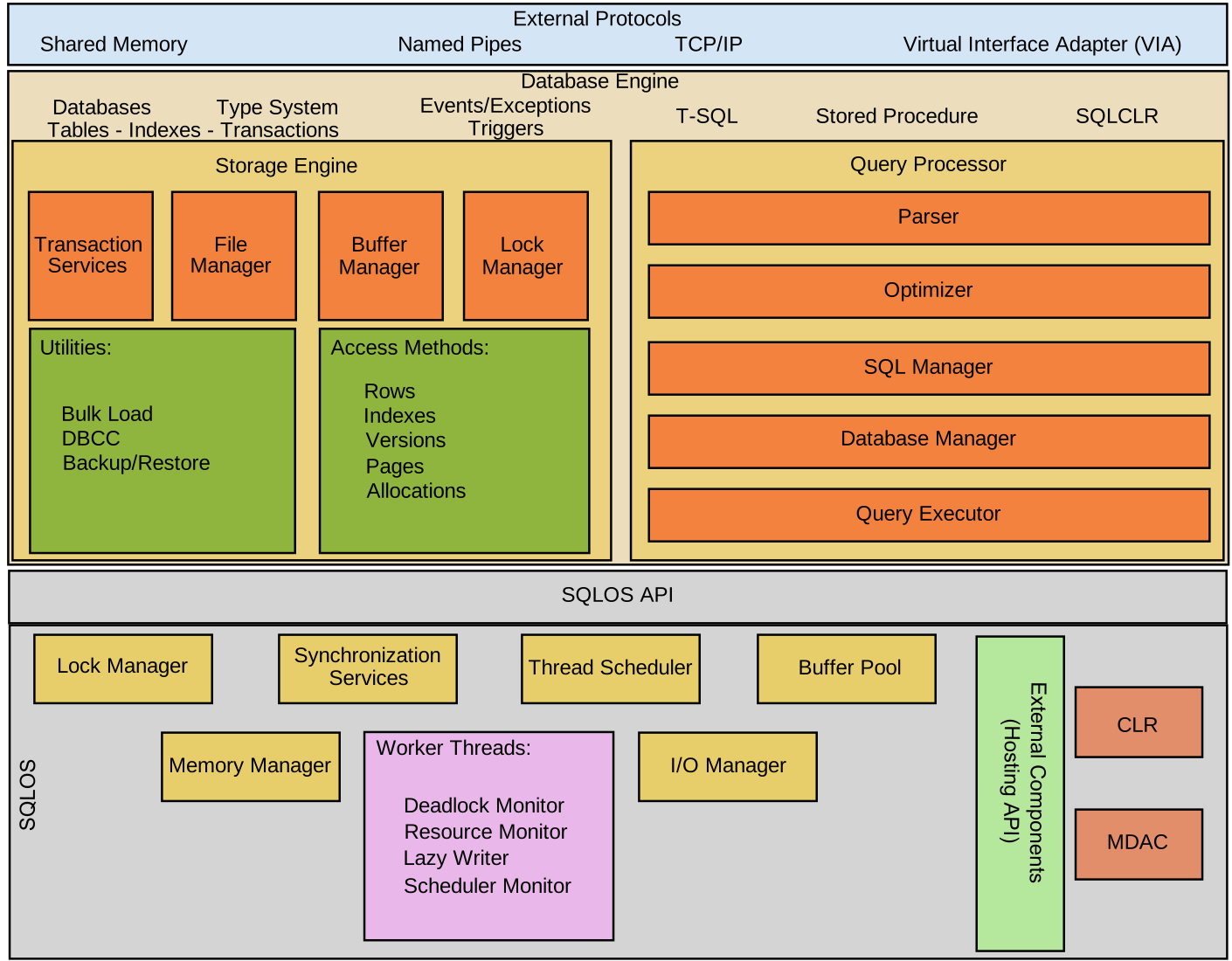
SQL Server Audit
Databases and data platforms · Where changes happen
- How it connects
- Via log platform Nakana reads these events from Datadog, Splunk, Elastic or your SIEM, where you already send them. Nothing new to install.
- Relay For systems that aren't reachable from the internet. One small relay container in your network makes outbound-only HTTPS connections. No inbound ports.
- What Nakana reads
- Schema and permission changes
- Access you grant
- Audit to the Windows Security log or files, read via your log platform or the relay
- What Nakana writes back
- Nothing. Read-only.
- Freshness
- As soon as your log platform has indexed it
Example of what it adds to a change recordGRANT rds_superuser TO svc_reporting · db-prod-03 · session user breakglass_dba
Planned integration. Design partners set the build order. Ask about SQL Server Audit
Oracle Unified Auditing
Databases and data platforms · Where changes happen
- How it connects
- Relay For systems that aren't reachable from the internet. One small relay container in your network makes outbound-only HTTPS connections. No inbound ports.
- Via log platform Nakana reads these events from Datadog, Splunk, Elastic or your SIEM, where you already send them. Nothing new to install.
- What Nakana reads
- DDL and privilege changes
- Access you grant
- Read-only account on UNIFIED_AUDIT_TRAIL through the relay
- What Nakana writes back
- Nothing. Read-only.
- Freshness
- Seconds to minutes
Example of what it adds to a change recordGRANT rds_superuser TO svc_reporting · db-prod-03 · session user breakglass_dba
Planned integration. Design partners set the build order. Ask about Oracle Unified Auditing

MongoDB auditing
Databases and data platforms · Where changes happen
- How it connects
- Via log platform Nakana reads these events from Datadog, Splunk, Elastic or your SIEM, where you already send them. Nothing new to install.
- Pull Nakana polls the source's API with read-only credentials you create. History is back-filled when you connect.
- What Nakana reads
- Schema, role and user changes
- Access you grant
- Audit log via your log platform, or the Atlas API with a read-only key
- What Nakana writes back
- Nothing. Read-only.
- Freshness
- As soon as your log platform has indexed it
Example of what it adds to a change recordGRANT rds_superuser TO svc_reporting · db-prod-03 · session user breakglass_dba
Planned integration. Design partners set the build order. Ask about MongoDB auditing
Amazon RDS / Aurora
Databases and data platforms · Where changes happen
- How it connects
- Pull Nakana polls the source's API with read-only credentials you create. History is back-filled when you connect.
- Push The source sends events to Nakana as they happen: webhooks, event streams or log forwarding. Seconds, not minutes.
- What Nakana reads
- Parameter group and instance changes, database activity streams
- Access you grant
- Read-only IAM role. Activity streams through Kinesis
- What Nakana writes back
- Nothing. Read-only.
- Freshness
- Usually within a few minutes; history back-filled on connect
Example of what it adds to a change recordGRANT rds_superuser TO svc_reporting · db-prod-03 · session user breakglass_dba
Planned integration. Design partners set the build order. Ask about Amazon RDS / Aurora

Snowflake
Databases and data platforms · Where changes happen
- How it connects
- Pull Nakana polls the source's API with read-only credentials you create. History is back-filled when you connect.
- What Nakana reads
- Grants, role changes, DDL from query and access history
- Access you grant
- Read-only role with access to the SNOWFLAKE.ACCOUNT_USAGE views
- What Nakana writes back
- Nothing. Read-only.
- Freshness
- Usually within a few minutes; history back-filled on connect
Example of what it adds to a change recordGRANT rds_superuser TO svc_reporting · db-prod-03 · session user breakglass_dba
Planned integration. Design partners set the build order. Ask about Snowflake

Databricks
Databases and data platforms · Where changes happen
- How it connects
- Pull Nakana polls the source's API with read-only credentials you create. History is back-filled when you connect.
- What Nakana reads
- Audit logs: permissions, cluster and workspace changes
- Access you grant
- System tables read access, or audit log delivery
- What Nakana writes back
- Nothing. Read-only.
- Freshness
- Usually within a few minutes; history back-filled on connect
Example of what it adds to a change recordGRANT rds_superuser TO svc_reporting · db-prod-03 · session user breakglass_dba
Planned integration. Design partners set the build order. Ask about Databricks

BigQuery
Databases and data platforms · Where changes happen
- How it connects
- Push The source sends events to Nakana as they happen: webhooks, event streams or log forwarding. Seconds, not minutes.
- What Nakana reads
- Admin and dataset permission changes
- Access you grant
- Included in the Cloud Audit Logs sink
- What Nakana writes back
- Nothing. Read-only.
- Freshness
- Seconds after the event
Example of what it adds to a change recordGRANT rds_superuser TO svc_reporting · db-prod-03 · session user breakglass_dba
Planned integration. Design partners set the build order. Ask about BigQuery

Amazon Redshift
Databases and data platforms · Where changes happen
- How it connects
- Pull Nakana polls the source's API with read-only credentials you create. History is back-filled when you connect.
- What Nakana reads
- User activity, grants, DDL
- Access you grant
- Audit logging to S3 or CloudWatch; read-only role
- What Nakana writes back
- Nothing. Read-only.
- Freshness
- Usually within a few minutes; history back-filled on connect
Example of what it adds to a change recordGRANT rds_superuser TO svc_reporting · db-prod-03 · session user breakglass_dba
Planned integration. Design partners set the build order. Ask about Amazon Redshift

Liquibase / Flyway
Databases and data platforms · Where changes happen
- How it connects
- Pull Nakana polls the source's API with read-only credentials you create. History is back-filled when you connect.
- What Nakana reads
- Migration history: which migration changed what, from which commit
- Access you grant
- Read access to the changelog table, or CI logs
- What Nakana writes back
- Nothing. Read-only.
- Freshness
- Usually within a few minutes; history back-filled on connect
Example of what it adds to a change recordGRANT rds_superuser TO svc_reporting · db-prod-03 · session user breakglass_dba
Planned integration. Design partners set the build order. Ask about Liquibase / Flyway

Cisco IOS / IOS-XE / NX-OS
Network and security devices · Where changes happen
- How it connects
- Relay For systems that aren't reachable from the internet. One small relay container in your network makes outbound-only HTTPS connections. No inbound ports.
- What Nakana reads
- Config archive diffs, TACACS+ command accounting, syslog config events
- Access you grant
- Syslog to the relay; read-only SSH or NETCONF account for config snapshots
- What Nakana writes back
- Nothing. Read-only.
- Freshness
- Seconds to minutes
Example of what it adds to a change recordcore-sw-02 · ACL 110 line 40 permit tcp any host 10.4.2.9 eq 9100 · TACACS+ user k.osei
Planned integration. Design partners set the build order. Ask about Cisco IOS / IOS-XE / NX-OS
Cisco ISE
Network and security devices · Where changes happen
- How it connects
- Relay For systems that aren't reachable from the internet. One small relay container in your network makes outbound-only HTTPS connections. No inbound ports.
- Pull Nakana polls the source's API with read-only credentials you create. History is back-filled when you connect.
- What Nakana reads
- Policy and admin changes, TACACS+ accounting
- Access you grant
- Read-only ERS/OpenAPI admin, or syslog to the relay
- What Nakana writes back
- Nothing. Read-only.
- Freshness
- Seconds to minutes
Example of what it adds to a change recordcore-sw-02 · ACL 110 line 40 permit tcp any host 10.4.2.9 eq 9100 · TACACS+ user k.osei
Planned integration. Design partners set the build order. Ask about Cisco ISE
Cisco Meraki
Network and security devices · Where changes happen
- How it connects
- Pull Nakana polls the source's API with read-only credentials you create. History is back-filled when you connect.
- What Nakana reads
- Organization change log
- Access you grant
- Read-only dashboard API key
- What Nakana writes back
- Nothing. Read-only.
- Freshness
- Usually within a few minutes; history back-filled on connect
Example of what it adds to a change recordcore-sw-02 · ACL 110 line 40 permit tcp any host 10.4.2.9 eq 9100 · TACACS+ user k.osei
Planned integration. Design partners set the build order. Ask about Cisco Meraki

Juniper Junos
Network and security devices · Where changes happen
- How it connects
- Relay For systems that aren't reachable from the internet. One small relay container in your network makes outbound-only HTTPS connections. No inbound ports.
- What Nakana reads
- Commit history with user and comment, config diffs
- Access you grant
- Read-only NETCONF account; syslog to the relay
- What Nakana writes back
- Nothing. Read-only.
- Freshness
- Seconds to minutes
Example of what it adds to a change recordcore-sw-02 · ACL 110 line 40 permit tcp any host 10.4.2.9 eq 9100 · TACACS+ user k.osei
Planned integration. Design partners set the build order. Ask about Juniper Junos

Arista CloudVision
Network and security devices · Where changes happen
- How it connects
- Pull Nakana polls the source's API with read-only credentials you create. History is back-filled when you connect.
- Relay For systems that aren't reachable from the internet. One small relay container in your network makes outbound-only HTTPS connections. No inbound ports.
- What Nakana reads
- Config changes and change controls
- Access you grant
- Read-only service account token
- What Nakana writes back
- Nothing. Read-only.
- Freshness
- Usually within a few minutes; history back-filled on connect
Example of what it adds to a change recordcore-sw-02 · ACL 110 line 40 permit tcp any host 10.4.2.9 eq 9100 · TACACS+ user k.osei
Planned integration. Design partners set the build order. Ask about Arista CloudVision

Palo Alto Networks Panorama
Network and security devices · Where changes happen
- How it connects
- Pull Nakana polls the source's API with read-only credentials you create. History is back-filled when you connect.
- Relay For systems that aren't reachable from the internet. One small relay container in your network makes outbound-only HTTPS connections. No inbound ports.
- What Nakana reads
- Config audit, commits and pushes with admin and description
- Access you grant
- Read-only admin role API key
- What Nakana writes back
- Nothing. Read-only.
- Freshness
- Usually within a few minutes; history back-filled on connect
Example of what it adds to a change recordcore-sw-02 · ACL 110 line 40 permit tcp any host 10.4.2.9 eq 9100 · TACACS+ user k.osei
Planned integration. Design partners set the build order. Ask about Palo Alto Networks Panorama

Fortinet FortiManager / FortiGate
Network and security devices · Where changes happen
- How it connects
- Pull Nakana polls the source's API with read-only credentials you create. History is back-filled when you connect.
- Relay For systems that aren't reachable from the internet. One small relay container in your network makes outbound-only HTTPS connections. No inbound ports.
- What Nakana reads
- Policy package installs, config revisions
- Access you grant
- Read-only API admin
- What Nakana writes back
- Nothing. Read-only.
- Freshness
- Usually within a few minutes; history back-filled on connect
Example of what it adds to a change recordcore-sw-02 · ACL 110 line 40 permit tcp any host 10.4.2.9 eq 9100 · TACACS+ user k.osei
Planned integration. Design partners set the build order. Ask about Fortinet FortiManager / FortiGate

Check Point
Network and security devices · Where changes happen
- How it connects
- Pull Nakana polls the source's API with read-only credentials you create. History is back-filled when you connect.
- Relay For systems that aren't reachable from the internet. One small relay container in your network makes outbound-only HTTPS connections. No inbound ports.
- What Nakana reads
- Policy installs, sessions and audit log
- Access you grant
- Read-only Management API administrator
- What Nakana writes back
- Nothing. Read-only.
- Freshness
- Usually within a few minutes; history back-filled on connect
Example of what it adds to a change recordcore-sw-02 · ACL 110 line 40 permit tcp any host 10.4.2.9 eq 9100 · TACACS+ user k.osei
Planned integration. Design partners set the build order. Ask about Check Point

F5 BIG-IP
Network and security devices · Where changes happen
- How it connects
- Relay For systems that aren't reachable from the internet. One small relay container in your network makes outbound-only HTTPS connections. No inbound ports.
- What Nakana reads
- Config changes and audit log
- Access you grant
- Read-only (guest) role over iControl REST
- What Nakana writes back
- Nothing. Read-only.
- Freshness
- Seconds to minutes
Example of what it adds to a change recordcore-sw-02 · ACL 110 line 40 permit tcp any host 10.4.2.9 eq 9100 · TACACS+ user k.osei
Planned integration. Design partners set the build order. Ask about F5 BIG-IP
ZSZscaler
Network and security devices · Where changes happen
- How it connects
- Pull Nakana polls the source's API with read-only credentials you create. History is back-filled when you connect.
- What Nakana reads
- Admin audit log
- Access you grant
- Read-only API role
- What Nakana writes back
- Nothing. Read-only.
- Freshness
- Usually within a few minutes; history back-filled on connect
Example of what it adds to a change recordcore-sw-02 · ACL 110 line 40 permit tcp any host 10.4.2.9 eq 9100 · TACACS+ user k.osei
Planned integration. Design partners set the build order. Ask about Zscaler
OROxidized / RANCID
Network and security devices · Where changes happen
- How it connects
- Pull Nakana polls the source's API with read-only credentials you create. History is back-filled when you connect.
- Relay For systems that aren't reachable from the internet. One small relay container in your network makes outbound-only HTTPS connections. No inbound ports.
- What Nakana reads
- Config backups as Git history
- Access you grant
- Read access to the backup repository
- What Nakana writes back
- Nothing. Read-only.
- Freshness
- Usually within a few minutes; history back-filled on connect
Example of what it adds to a change recordcore-sw-02 · ACL 110 line 40 permit tcp any host 10.4.2.9 eq 9100 · TACACS+ user k.osei
Planned integration. Design partners set the build order. Ask about Oxidized / RANCID

NetBox
Network and security devices · Where changes happen
- How it connects
- Pull Nakana polls the source's API with read-only credentials you create. History is back-filled when you connect.
- Push The source sends events to Nakana as they happen: webhooks, event streams or log forwarding. Seconds, not minutes.
- What Nakana reads
- Intended state and its change log
- Access you grant
- Read-only API token. Webhooks
- What Nakana writes back
- Nothing. Read-only.
- Freshness
- Usually within a few minutes; history back-filled on connect
Example of what it adds to a change recordcore-sw-02 · ACL 110 line 40 permit tcp any host 10.4.2.9 eq 9100 · TACACS+ user k.osei
Planned integration. Design partners set the build order. Ask about NetBox

SolarWinds NCM
Network and security devices · Where changes happen
- How it connects
- Relay For systems that aren't reachable from the internet. One small relay container in your network makes outbound-only HTTPS connections. No inbound ports.
- What Nakana reads
- Config change reports
- Access you grant
- Read-only account through the relay
- What Nakana writes back
- Nothing. Read-only.
- Freshness
- Seconds to minutes
Example of what it adds to a change recordcore-sw-02 · ACL 110 line 40 permit tcp any host 10.4.2.9 eq 9100 · TACACS+ user k.osei
Planned integration. Design partners set the build order. Ask about SolarWinds NCM

Datadog
Observability, logs and SIEM · Where changes happen · Vulnerability context
- How it connects
- Pull Nakana polls the source's API with read-only credentials you create. History is back-filled when you connect.
- Push The source sends events to Nakana as they happen: webhooks, event streams or log forwarding. Seconds, not minutes.
- What Nakana reads
- Events, Audit Trail, Change Tracking, logs by saved query
- Access you grant
- API key plus an application key scoped to read logs, events and Audit Trail. Event and log forwarding for low latency
- What Nakana writes back
- Events with verdicts on the affected service's timeline
- Vulnerability context
- Code Security (software composition analysis) and Cloud Security vulnerability findings
- Freshness
- Usually within a few minutes; history back-filled on connect
Example of what it adds to a change recordDatadog log · source:auditd · host:db-prod-03 · type=USER_CMD cmd="systemctl restart postgresql"
Planned integration. Design partners set the build order. Ask about Datadog

Splunk
Observability, logs and SIEM · Where changes happen
- How it connects
- Pull Nakana polls the source's API with read-only credentials you create. History is back-filled when you connect.
- Push The source sends events to Nakana as they happen: webhooks, event streams or log forwarding. Seconds, not minutes.
- What Nakana reads
- Events from the sourcetypes you choose
- Access you grant
- Service account with a read-only role on the REST search API. Or forward via HEC
- What Nakana writes back
- Verdicts to an index of your choice via HEC
- Freshness
- Usually within a few minutes; history back-filled on connect
Example of what it adds to a change recordDatadog log · source:auditd · host:db-prod-03 · type=USER_CMD cmd="systemctl restart postgresql"
Planned integration. Design partners set the build order. Ask about Splunk

Elastic
Observability, logs and SIEM · Where changes happen
- How it connects
- Pull Nakana polls the source's API with read-only credentials you create. History is back-filled when you connect.
- What Nakana reads
- Events from chosen indices and data streams
- Access you grant
- API key with read privileges on those indices
- What Nakana writes back
- Nothing. Read-only.
- Freshness
- Usually within a few minutes; history back-filled on connect
Example of what it adds to a change recordDatadog log · source:auditd · host:db-prod-03 · type=USER_CMD cmd="systemctl restart postgresql"
Planned integration. Design partners set the build order. Ask about Elastic

New Relic
Observability, logs and SIEM · Where changes happen · Vulnerability context
- How it connects
- Pull Nakana polls the source's API with read-only credentials you create. History is back-filled when you connect.
- What Nakana reads
- Change tracking markers, logs
- Access you grant
- User key with read access via NerdGraph
- What Nakana writes back
- Nothing. Read-only.
- Vulnerability context
- Vulnerability management findings per entity
- Freshness
- Usually within a few minutes; history back-filled on connect
Example of what it adds to a change recordDatadog log · source:auditd · host:db-prod-03 · type=USER_CMD cmd="systemctl restart postgresql"
Planned integration. Design partners set the build order. Ask about New Relic

Dynatrace
Observability, logs and SIEM · Where changes happen · Vulnerability context
- How it connects
- Pull Nakana polls the source's API with read-only credentials you create. History is back-filled when you connect.
- What Nakana reads
- Events, deployment markers, logs
- Access you grant
- Access token with read scopes
- What Nakana writes back
- Nothing. Read-only.
- Vulnerability context
- Runtime vulnerability analytics for running libraries
- Freshness
- Usually within a few minutes; history back-filled on connect
Example of what it adds to a change recordDatadog log · source:auditd · host:db-prod-03 · type=USER_CMD cmd="systemctl restart postgresql"
Planned integration. Design partners set the build order. Ask about Dynatrace

Grafana Loki
Observability, logs and SIEM · Where changes happen
- How it connects
- Pull Nakana polls the source's API with read-only credentials you create. History is back-filled when you connect.
- What Nakana reads
- Logs by LogQL query
- Access you grant
- Read-only service account token
- What Nakana writes back
- Nothing. Read-only.
- Freshness
- Usually within a few minutes; history back-filled on connect
Example of what it adds to a change recordDatadog log · source:auditd · host:db-prod-03 · type=USER_CMD cmd="systemctl restart postgresql"
Planned integration. Design partners set the build order. Ask about Grafana Loki

Sumo Logic
Observability, logs and SIEM · Where changes happen
- How it connects
- Pull Nakana polls the source's API with read-only credentials you create. History is back-filled when you connect.
- What Nakana reads
- Logs by search
- Access you grant
- Read-only access key
- What Nakana writes back
- Nothing. Read-only.
- Freshness
- Usually within a few minutes; history back-filled on connect
Example of what it adds to a change recordDatadog log · source:auditd · host:db-prod-03 · type=USER_CMD cmd="systemctl restart postgresql"
Planned integration. Design partners set the build order. Ask about Sumo Logic
Google SecOps
Observability, logs and SIEM · Where changes happen
- How it connects
- Pull Nakana polls the source's API with read-only credentials you create. History is back-filled when you connect.
- What Nakana reads
- UDM events and detections
- Access you grant
- Read-only service account
- What Nakana writes back
- Nothing. Read-only.
- Freshness
- Usually within a few minutes; history back-filled on connect
Example of what it adds to a change recordDatadog log · source:auditd · host:db-prod-03 · type=USER_CMD cmd="systemctl restart postgresql"
Planned integration. Design partners set the build order. Ask about Google SecOps
Microsoft Sentinel
Observability, logs and SIEM · Where changes happen
- How it connects
- Pull Nakana polls the source's API with read-only credentials you create. History is back-filled when you connect.
- Push The source sends events to Nakana as they happen: webhooks, event streams or log forwarding. Seconds, not minutes.
- What Nakana reads
- Workspace tables and incidents
- Access you grant
- Log Analytics Reader on the workspace
- What Nakana writes back
- Verdicts as a custom table or incident comments
- Freshness
- Usually within a few minutes; history back-filled on connect
Example of what it adds to a change recordDatadog log · source:auditd · host:db-prod-03 · type=USER_CMD cmd="systemctl restart postgresql"
Planned integration. Design partners set the build order. Ask about Microsoft Sentinel
CRCribl
Observability, logs and SIEM · Where changes happen
- How it connects
- Push The source sends events to Nakana as they happen: webhooks, event streams or log forwarding. Seconds, not minutes.
- What Nakana reads
- Anything you route
- Access you grant
- Cribl destination pointed at Nakana
- What Nakana writes back
- Nothing. Read-only.
- Freshness
- Seconds after the event
Example of what it adds to a change recordDatadog log · source:auditd · host:db-prod-03 · type=USER_CMD cmd="systemctl restart postgresql"
Planned integration. Design partners set the build order. Ask about Cribl

OpenTelemetry
Observability, logs and SIEM · Where changes happen
- How it connects
- Push The source sends events to Nakana as they happen: webhooks, event streams or log forwarding. Seconds, not minutes.
- What Nakana reads
- Logs and events over OTLP
- Access you grant
- OTLP exporter pointed at Nakana
- What Nakana writes back
- Nothing. Read-only.
- Freshness
- Seconds after the event
Example of what it adds to a change recordDatadog log · source:auditd · host:db-prod-03 · type=USER_CMD cmd="systemctl restart postgresql"
Planned integration. Design partners set the build order. Ask about OpenTelemetry

Okta
Identity, HR and privileged access · Who people are
- How it connects
- Pull Nakana polls the source's API with read-only credentials you create. History is back-filled when you connect.
- Push The source sends events to Nakana as they happen: webhooks, event streams or log forwarding. Seconds, not minutes.
- What Nakana reads
- System Log, users, groups, MFA, admin role changes
- Access you grant
- API service app with okta.logs.read, okta.users.read and okta.groups.read. Event hooks
- What Nakana writes back
- Nothing. Read-only.
- Freshness
- Usually within a few minutes; history back-filled on connect
Example of what it adds to a change recordm.kowalski · Database Eng. · reports to a.novak · Europe/Warsaw · on leave until Oct 28 · checked out breakglass_dba 02:09
Planned integration. Design partners set the build order. Ask about Okta
Microsoft Entra ID
Identity, HR and privileged access · Who people are
- How it connects
- Pull Nakana polls the source's API with read-only credentials you create. History is back-filled when you connect.
- What Nakana reads
- Users, groups, sign-ins, roles, PIM activations
- Access you grant
- Microsoft Graph app with AuditLog.Read.All and Directory.Read.All
- What Nakana writes back
- Nothing. Read-only.
- Freshness
- Usually within a few minutes; history back-filled on connect
Example of what it adds to a change recordm.kowalski · Database Eng. · reports to a.novak · Europe/Warsaw · on leave until Oct 28 · checked out breakglass_dba 02:09
Planned integration. Design partners set the build order. Ask about Microsoft Entra ID

Google Workspace
Identity, HR and privileged access · Who people are
- How it connects
- Pull Nakana polls the source's API with read-only credentials you create. History is back-filled when you connect.
- What Nakana reads
- Directory, admin audit and login events
- Access you grant
- Service account with read-only Admin SDK Directory and Reports scopes
- What Nakana writes back
- Nothing. Read-only.
- Freshness
- Usually within a few minutes; history back-filled on connect
Example of what it adds to a change recordm.kowalski · Database Eng. · reports to a.novak · Europe/Warsaw · on leave until Oct 28 · checked out breakglass_dba 02:09
Planned integration. Design partners set the build order. Ask about Google Workspace
JUJumpCloud
Identity, HR and privileged access · Who people are
- How it connects
- Pull Nakana polls the source's API with read-only credentials you create. History is back-filled when you connect.
- What Nakana reads
- Directory and Directory Insights events
- Access you grant
- Read-only administrator API key
- What Nakana writes back
- Nothing. Read-only.
- Freshness
- Usually within a few minutes; history back-filled on connect
Example of what it adds to a change recordm.kowalski · Database Eng. · reports to a.novak · Europe/Warsaw · on leave until Oct 28 · checked out breakglass_dba 02:09
Planned integration. Design partners set the build order. Ask about JumpCloud

Ping Identity
Identity, HR and privileged access · Who people are
- How it connects
- Pull Nakana polls the source's API with read-only credentials you create. History is back-filled when you connect.
- What Nakana reads
- Sign-in and admin events
- Access you grant
- Read-only worker app
- What Nakana writes back
- Nothing. Read-only.
- Freshness
- Usually within a few minutes; history back-filled on connect
Example of what it adds to a change recordm.kowalski · Database Eng. · reports to a.novak · Europe/Warsaw · on leave until Oct 28 · checked out breakglass_dba 02:09
Planned integration. Design partners set the build order. Ask about Ping Identity

Workday
Identity, HR and privileged access · Who people are
- How it connects
- Pull Nakana polls the source's API with read-only credentials you create. History is back-filled when you connect.
- What Nakana reads
- Team, manager, title, location, hire and termination dates, leave
- Access you grant
- Integration system user with a custom report (RaaS) limited to these fields
- What Nakana writes back
- Nothing. Read-only.
- Freshness
- Usually within a few minutes; history back-filled on connect
Example of what it adds to a change recordm.kowalski · Database Eng. · reports to a.novak · Europe/Warsaw · on leave until Oct 28 · checked out breakglass_dba 02:09
Planned integration. Design partners set the build order. Ask about Workday

BambooHR
Identity, HR and privileged access · Who people are
- How it connects
- Pull Nakana polls the source's API with read-only credentials you create. History is back-filled when you connect.
- What Nakana reads
- Team, manager, status, time off
- Access you grant
- API key of a user with read-only access to those fields
- What Nakana writes back
- Nothing. Read-only.
- Freshness
- Usually within a few minutes; history back-filled on connect
Example of what it adds to a change recordm.kowalski · Database Eng. · reports to a.novak · Europe/Warsaw · on leave until Oct 28 · checked out breakglass_dba 02:09
Planned integration. Design partners set the build order. Ask about BambooHR

HiBob
Identity, HR and privileged access · Who people are
- How it connects
- Pull Nakana polls the source's API with read-only credentials you create. History is back-filled when you connect.
- What Nakana reads
- Team, manager, status
- Access you grant
- Read-only service user
- What Nakana writes back
- Nothing. Read-only.
- Freshness
- Usually within a few minutes; history back-filled on connect
Example of what it adds to a change recordm.kowalski · Database Eng. · reports to a.novak · Europe/Warsaw · on leave until Oct 28 · checked out breakglass_dba 02:09
Planned integration. Design partners set the build order. Ask about HiBob
RIRippling
Identity, HR and privileged access · Who people are
- How it connects
- Pull Nakana polls the source's API with read-only credentials you create. History is back-filled when you connect.
- What Nakana reads
- Team, manager, status
- Access you grant
- Read-only API token
- What Nakana writes back
- Nothing. Read-only.
- Freshness
- Usually within a few minutes; history back-filled on connect
Example of what it adds to a change recordm.kowalski · Database Eng. · reports to a.novak · Europe/Warsaw · on leave until Oct 28 · checked out breakglass_dba 02:09
Planned integration. Design partners set the build order. Ask about Rippling

CyberArk
Identity, HR and privileged access · Who people are
- How it connects
- Pull Nakana polls the source's API with read-only credentials you create. History is back-filled when you connect.
- Push The source sends events to Nakana as they happen: webhooks, event streams or log forwarding. Seconds, not minutes.
- What Nakana reads
- Credential checkouts with stated reason, privileged sessions
- Access you grant
- Read-only audit API user, or syslog/SIEM forwarding
- What Nakana writes back
- Nothing. Read-only.
- Freshness
- Usually within a few minutes; history back-filled on connect
Example of what it adds to a change recordm.kowalski · Database Eng. · reports to a.novak · Europe/Warsaw · on leave until Oct 28 · checked out breakglass_dba 02:09
Planned integration. Design partners set the build order. Ask about CyberArk

BeyondTrust
Identity, HR and privileged access · Who people are
- How it connects
- Pull Nakana polls the source's API with read-only credentials you create. History is back-filled when you connect.
- Push The source sends events to Nakana as they happen: webhooks, event streams or log forwarding. Seconds, not minutes.
- What Nakana reads
- Privileged sessions and credential releases
- Access you grant
- Read-only API account, or syslog forwarding
- What Nakana writes back
- Nothing. Read-only.
- Freshness
- Usually within a few minutes; history back-filled on connect
Example of what it adds to a change recordm.kowalski · Database Eng. · reports to a.novak · Europe/Warsaw · on leave until Oct 28 · checked out breakglass_dba 02:09
Planned integration. Design partners set the build order. Ask about BeyondTrust
DEDelinea
Identity, HR and privileged access · Who people are
- How it connects
- Pull Nakana polls the source's API with read-only credentials you create. History is back-filled when you connect.
- Push The source sends events to Nakana as they happen: webhooks, event streams or log forwarding. Seconds, not minutes.
- What Nakana reads
- Secret checkouts and sessions
- Access you grant
- Read-only API user, or syslog forwarding
- What Nakana writes back
- Nothing. Read-only.
- Freshness
- Usually within a few minutes; history back-filled on connect
Example of what it adds to a change recordm.kowalski · Database Eng. · reports to a.novak · Europe/Warsaw · on leave until Oct 28 · checked out breakglass_dba 02:09
Planned integration. Design partners set the build order. Ask about Delinea
TETeleport
Identity, HR and privileged access · Who people are
- How it connects
- Push The source sends events to Nakana as they happen: webhooks, event streams or log forwarding. Seconds, not minutes.
- Pull Nakana polls the source's API with read-only credentials you create. History is back-filled when you connect.
- What Nakana reads
- Sessions, access requests and their reasons, approvals
- Access you grant
- Event handler plugin forwarding audit events. Read-only role
- What Nakana writes back
- Nothing. Read-only.
- Freshness
- Seconds after the event
Example of what it adds to a change recordm.kowalski · Database Eng. · reports to a.novak · Europe/Warsaw · on leave until Oct 28 · checked out breakglass_dba 02:09
Planned integration. Design partners set the build order. Ask about Teleport
STStrongDM
Identity, HR and privileged access · Who people are
- How it connects
- Pull Nakana polls the source's API with read-only credentials you create. History is back-filled when you connect.
- What Nakana reads
- Sessions and access grants
- Access you grant
- Read-only admin token
- What Nakana writes back
- Nothing. Read-only.
- Freshness
- Usually within a few minutes; history back-filled on connect
Example of what it adds to a change recordm.kowalski · Database Eng. · reports to a.novak · Europe/Warsaw · on leave until Oct 28 · checked out breakglass_dba 02:09
Planned integration. Design partners set the build order. Ask about StrongDM
SASailPoint
Identity, HR and privileged access · Who people are
- How it connects
- Pull Nakana polls the source's API with read-only credentials you create. History is back-filled when you connect.
- What Nakana reads
- Access reviews and entitlements
- Access you grant
- Read-only API client
- What Nakana writes back
- Nothing. Read-only.
- Freshness
- Usually within a few minutes; history back-filled on connect
Example of what it adds to a change recordm.kowalski · Database Eng. · reports to a.novak · Europe/Warsaw · on leave until Oct 28 · checked out breakglass_dba 02:09
Planned integration. Design partners set the build order. Ask about SailPoint
COConductorOne
Identity, HR and privileged access · Who people are
- How it connects
- Pull Nakana polls the source's API with read-only credentials you create. History is back-filled when you connect.
- What Nakana reads
- Access requests with justification, reviews
- Access you grant
- Read-only API client
- What Nakana writes back
- Nothing. Read-only.
- Freshness
- Usually within a few minutes; history back-filled on connect
Example of what it adds to a change recordm.kowalski · Database Eng. · reports to a.novak · Europe/Warsaw · on leave until Oct 28 · checked out breakglass_dba 02:09
Planned integration. Design partners set the build order. Ask about ConductorOne

GitHub Dependabot
Vulnerability and software composition · Vulnerability context
- How it connects
- Pull Nakana polls the source's API with read-only credentials you create. History is back-filled when you connect.
- Push The source sends events to Nakana as they happen: webhooks, event streams or log forwarding. Seconds, not minutes.
- What Nakana reads
- Dependabot alerts per repository and manifest; dependency graph SBOM
- Access you grant
- Same GitHub App (Dependabot alerts: read). dependabot_alert webhooks
- What Nakana writes back
- Nothing. Read-only.
- Vulnerability context
- CVE and GHSA per package and version, fixed version, PR that fixed it
- Freshness
- Usually within a few minutes; history back-filled on connect
Example of what it adds to a change recordpayments-api v2.14.4 · contains log4j-core 2.14.1 · CVE-2021-44228 · on CISA KEV · EPSS 0.94
Planned integration. Design partners set the build order. Ask about GitHub Dependabot

Snyk
Vulnerability and software composition · Vulnerability context
- How it connects
- Pull Nakana polls the source's API with read-only credentials you create. History is back-filled when you connect.
- Push The source sends events to Nakana as they happen: webhooks, event streams or log forwarding. Seconds, not minutes.
- What Nakana reads
- Open-source, container and IaC issues per project
- Access you grant
- Read-only service account token. Webhooks
- What Nakana writes back
- Nothing. Read-only.
- Vulnerability context
- Vulnerabilities per package with exploit maturity and fix availability
- Freshness
- Usually within a few minutes; history back-filled on connect
Example of what it adds to a change recordpayments-api v2.14.4 · contains log4j-core 2.14.1 · CVE-2021-44228 · on CISA KEV · EPSS 0.94
Planned integration. Design partners set the build order. Ask about Snyk
WIWiz
Vulnerability and software composition · Vulnerability context
- How it connects
- Pull Nakana polls the source's API with read-only credentials you create. History is back-filled when you connect.
- What Nakana reads
- Vulnerability findings per cloud resource and image
- Access you grant
- Read-only service account
- What Nakana writes back
- Nothing. Read-only.
- Vulnerability context
- CVEs per workload, with KEV and exploitability context
- Freshness
- Usually within a few minutes; history back-filled on connect
Example of what it adds to a change recordpayments-api v2.14.4 · contains log4j-core 2.14.1 · CVE-2021-44228 · on CISA KEV · EPSS 0.94
Planned integration. Design partners set the build order. Ask about Wiz
TETenable
Vulnerability and software composition · Vulnerability context
- How it connects
- Pull Nakana polls the source's API with read-only credentials you create. History is back-filled when you connect.
- What Nakana reads
- Vulnerability findings per asset
- Access you grant
- Read-only API keys
- What Nakana writes back
- Nothing. Read-only.
- Vulnerability context
- CVEs per host and container image
- Freshness
- Usually within a few minutes; history back-filled on connect
Example of what it adds to a change recordpayments-api v2.14.4 · contains log4j-core 2.14.1 · CVE-2021-44228 · on CISA KEV · EPSS 0.94
Planned integration. Design partners set the build order. Ask about Tenable

Qualys VMDR
Vulnerability and software composition · Vulnerability context
- How it connects
- Pull Nakana polls the source's API with read-only credentials you create. History is back-filled when you connect.
- What Nakana reads
- Host detections and container findings
- Access you grant
- Read-only API user
- What Nakana writes back
- Nothing. Read-only.
- Vulnerability context
- CVEs per host with QDS risk scores
- Freshness
- Usually within a few minutes; history back-filled on connect
Example of what it adds to a change recordpayments-api v2.14.4 · contains log4j-core 2.14.1 · CVE-2021-44228 · on CISA KEV · EPSS 0.94
Planned integration. Design partners set the build order. Ask about Qualys VMDR
RIRapid7 InsightVM
Vulnerability and software composition · Vulnerability context
- How it connects
- Pull Nakana polls the source's API with read-only credentials you create. History is back-filled when you connect.
- What Nakana reads
- Asset vulnerabilities
- Access you grant
- Read-only API key
- What Nakana writes back
- Nothing. Read-only.
- Vulnerability context
- CVEs per asset
- Freshness
- Usually within a few minutes; history back-filled on connect
Example of what it adds to a change recordpayments-api v2.14.4 · contains log4j-core 2.14.1 · CVE-2021-44228 · on CISA KEV · EPSS 0.94
Planned integration. Design partners set the build order. Ask about Rapid7 InsightVM

Chainguard advisories
Vulnerability and software composition · Vulnerability context
- How it connects
- Public feed Public data Nakana downloads itself. Nothing to configure.
- Pull Nakana polls the source's API with read-only credentials you create. History is back-filled when you connect.
- What Nakana reads
- Chainguard's public security advisory feed in OSV format, plus SBOMs and versions of the Chainguard images you run
- Access you grant
- None for the public advisory feed. Read-only pull token for your own Chainguard registry
- What Nakana writes back
- Nothing. Read-only.
- Vulnerability context
- Per-package advisories for Chainguard and Wolfi packages, including fixed versions and CVEs judged not affected
- Freshness
- Refreshed daily
Example of what it adds to a change recordpayments-api v2.14.4 · contains log4j-core 2.14.1 · CVE-2021-44228 · on CISA KEV · EPSS 0.94
Planned integration. Design partners set the build order. Ask about Chainguard advisories

Trivy / Grype output
Vulnerability and software composition · Vulnerability context
- How it connects
- Pull Nakana polls the source's API with read-only credentials you create. History is back-filled when you connect.
- What Nakana reads
- Scan reports your CI already produces
- Access you grant
- Read access to CI artifacts
- What Nakana writes back
- Nothing. Read-only.
- Vulnerability context
- CVEs per image or filesystem at build time
- Freshness
- Usually within a few minutes; history back-filled on connect
Example of what it adds to a change recordpayments-api v2.14.4 · contains log4j-core 2.14.1 · CVE-2021-44228 · on CISA KEV · EPSS 0.94
Planned integration. Design partners set the build order. Ask about Trivy / Grype output

Checkmarx
Vulnerability and software composition · Vulnerability context
- How it connects
- Pull Nakana polls the source's API with read-only credentials you create. History is back-filled when you connect.
- What Nakana reads
- SCA findings per project
- Access you grant
- Read-only API client
- What Nakana writes back
- Nothing. Read-only.
- Vulnerability context
- Vulnerable open-source packages per application
- Freshness
- Usually within a few minutes; history back-filled on connect
Example of what it adds to a change recordpayments-api v2.14.4 · contains log4j-core 2.14.1 · CVE-2021-44228 · on CISA KEV · EPSS 0.94
Planned integration. Design partners set the build order. Ask about Checkmarx
CKCISA KEV
Vulnerability and software composition · Vulnerability context
- How it connects
- Public feed Public data Nakana downloads itself. Nothing to configure.
- What Nakana reads
- Known Exploited Vulnerabilities catalog, with ransomware use and due dates
- Access you grant
- None. Public feed
- What Nakana writes back
- Nothing. Read-only.
- Vulnerability context
- Which CVEs are exploited in the wild
- Freshness
- Refreshed daily
Example of what it adds to a change recordpayments-api v2.14.4 · contains log4j-core 2.14.1 · CVE-2021-44228 · on CISA KEV · EPSS 0.94
Planned integration. Design partners set the build order. Ask about CISA KEV
FEFIRST EPSS
Vulnerability and software composition · Vulnerability context
- How it connects
- Public feed Public data Nakana downloads itself. Nothing to configure.
- What Nakana reads
- Exploit Prediction Scoring System scores, daily
- Access you grant
- None. Public feed
- What Nakana writes back
- Nothing. Read-only.
- Vulnerability context
- Probability a CVE is exploited in the next 30 days
- Freshness
- Refreshed daily
Example of what it adds to a change recordpayments-api v2.14.4 · contains log4j-core 2.14.1 · CVE-2021-44228 · on CISA KEV · EPSS 0.94
Planned integration. Design partners set the build order. Ask about FIRST EPSS
OSOSV
Vulnerability and software composition · Vulnerability context
- How it connects
- Public feed Public data Nakana downloads itself. Nothing to configure.
- What Nakana reads
- Open-source vulnerability database by package and version
- Access you grant
- None. Public API. Used only on SBOMs you already produce
- What Nakana writes back
- Nothing. Read-only.
- Vulnerability context
- Package version to advisory mapping across ecosystems
- Freshness
- Refreshed daily
Example of what it adds to a change recordpayments-api v2.14.4 · contains log4j-core 2.14.1 · CVE-2021-44228 · on CISA KEV · EPSS 0.94
Planned integration. Design partners set the build order. Ask about OSV

Slack
Approvals, flags and secrets · Where reasons live · Where changes happen
- How it connects
- Pull Nakana polls the source's API with read-only credentials you create. History is back-filled when you connect.
- Push The source sends events to Nakana as they happen: webhooks, event streams or log forwarding. Seconds, not minutes.
- What Nakana reads
- Approvals and messages in the channels you choose; answers to ask-the-actor questions
- Access you grant
- Slack app with chat:write, users:read, users:read.email and history access only in invited channels
- What Nakana writes back
- Asks the person who made an unexplained change what it was for, and records the answer
- Freshness
- Usually within a few minutes; history back-filled on connect
Example of what it adds to a change recordLaunchDarkly · flag new-checkout 0% → 50% in production · by p.sato · approval request #311
Planned integration. Design partners set the build order. Ask about Slack
Microsoft Teams
Approvals, flags and secrets · Where reasons live · Where changes happen
- How it connects
- Pull Nakana polls the source's API with read-only credentials you create. History is back-filled when you connect.
- Push The source sends events to Nakana as they happen: webhooks, event streams or log forwarding. Seconds, not minutes.
- What Nakana reads
- Approvals and ask-the-actor answers
- Access you grant
- Teams bot installed in chosen teams
- What Nakana writes back
- Ask-the-actor messages
- Freshness
- Usually within a few minutes; history back-filled on connect
Example of what it adds to a change recordLaunchDarkly · flag new-checkout 0% → 50% in production · by p.sato · approval request #311
Planned integration. Design partners set the build order. Ask about Microsoft Teams

Google and Outlook calendars
Approvals, flags and secrets · Where reasons live · Where changes happen
- How it connects
- Pull Nakana polls the source's API with read-only credentials you create. History is back-filled when you connect.
- What Nakana reads
- Change freezes and maintenance windows from shared calendars
- Access you grant
- Read-only access to the shared calendars you name
- What Nakana writes back
- Nothing. Read-only.
- Freshness
- Usually within a few minutes; history back-filled on connect
Example of what it adds to a change recordLaunchDarkly · flag new-checkout 0% → 50% in production · by p.sato · approval request #311
Planned integration. Design partners set the build order. Ask about Google and Outlook calendars

LaunchDarkly
Approvals, flags and secrets · Where reasons live · Where changes happen
- How it connects
- Pull Nakana polls the source's API with read-only credentials you create. History is back-filled when you connect.
- Push The source sends events to Nakana as they happen: webhooks, event streams or log forwarding. Seconds, not minutes.
- What Nakana reads
- Flag changes, targeting, approvals (audit log)
- Access you grant
- Read-only API token. Webhooks
- What Nakana writes back
- Nothing. Read-only.
- Freshness
- Usually within a few minutes; history back-filled on connect
Example of what it adds to a change recordLaunchDarkly · flag new-checkout 0% → 50% in production · by p.sato · approval request #311
Planned integration. Design partners set the build order. Ask about LaunchDarkly
STStatsig
Approvals, flags and secrets · Where reasons live · Where changes happen
- How it connects
- Pull Nakana polls the source's API with read-only credentials you create. History is back-filled when you connect.
- What Nakana reads
- Gate and experiment changes
- Access you grant
- Read-only console API key
- What Nakana writes back
- Nothing. Read-only.
- Freshness
- Usually within a few minutes; history back-filled on connect
Example of what it adds to a change recordLaunchDarkly · flag new-checkout 0% → 50% in production · by p.sato · approval request #311
Planned integration. Design partners set the build order. Ask about Statsig
UNUnleash
Approvals, flags and secrets · Where reasons live · Where changes happen
- How it connects
- Pull Nakana polls the source's API with read-only credentials you create. History is back-filled when you connect.
- Push The source sends events to Nakana as they happen: webhooks, event streams or log forwarding. Seconds, not minutes.
- What Nakana reads
- Flag changes and events
- Access you grant
- Read-only admin token. Webhooks
- What Nakana writes back
- Nothing. Read-only.
- Freshness
- Usually within a few minutes; history back-filled on connect
Example of what it adds to a change recordLaunchDarkly · flag new-checkout 0% → 50% in production · by p.sato · approval request #311
Planned integration. Design partners set the build order. Ask about Unleash
AWS AppConfig
Approvals, flags and secrets · Where reasons live · Where changes happen
- How it connects
- Push The source sends events to Nakana as they happen: webhooks, event streams or log forwarding. Seconds, not minutes.
- What Nakana reads
- Configuration deployments
- Access you grant
- EventBridge rule
- What Nakana writes back
- Nothing. Read-only.
- Freshness
- Seconds after the event
Example of what it adds to a change recordLaunchDarkly · flag new-checkout 0% → 50% in production · by p.sato · approval request #311
Planned integration. Design partners set the build order. Ask about AWS AppConfig

HashiCorp Vault
Approvals, flags and secrets · Where reasons live · Where changes happen
- How it connects
- Via log platform Nakana reads these events from Datadog, Splunk, Elastic or your SIEM, where you already send them. Nothing new to install.
- Push The source sends events to Nakana as they happen: webhooks, event streams or log forwarding. Seconds, not minutes.
- What Nakana reads
- Audit device: secret, policy and auth method changes
- Access you grant
- Audit device to your log platform or a socket on the relay
- What Nakana writes back
- Nothing. Read-only.
- Freshness
- As soon as your log platform has indexed it
Example of what it adds to a change recordLaunchDarkly · flag new-checkout 0% → 50% in production · by p.sato · approval request #311
Planned integration. Design partners set the build order. Ask about HashiCorp Vault
AWS Secrets Manager and KMS
Approvals, flags and secrets · Where reasons live · Where changes happen
- How it connects
- Push The source sends events to Nakana as they happen: webhooks, event streams or log forwarding. Seconds, not minutes.
- What Nakana reads
- Secret rotation, policy and key changes
- Access you grant
- Included in CloudTrail
- What Nakana writes back
- Nothing. Read-only.
- Freshness
- Seconds after the event
Example of what it adds to a change recordLaunchDarkly · flag new-checkout 0% → 50% in production · by p.sato · approval request #311
Planned integration. Design partners set the build order. Ask about AWS Secrets Manager and KMS
Azure Key Vault
Approvals, flags and secrets · Where reasons live · Where changes happen
- How it connects
- Push The source sends events to Nakana as they happen: webhooks, event streams or log forwarding. Seconds, not minutes.
- What Nakana reads
- Secret and key changes
- Access you grant
- Diagnostic setting to Event Hub
- What Nakana writes back
- Nothing. Read-only.
- Freshness
- Seconds after the event
Example of what it adds to a change recordLaunchDarkly · flag new-checkout 0% → 50% in production · by p.sato · approval request #311
Planned integration. Design partners set the build order. Ask about Azure Key Vault

1Password
Approvals, flags and secrets · Where reasons live · Where changes happen
- How it connects
- Pull Nakana polls the source's API with read-only credentials you create. History is back-filled when you connect.
- What Nakana reads
- Vault and item access events
- Access you grant
- Events API token
- What Nakana writes back
- Nothing. Read-only.
- Freshness
- Usually within a few minutes; history back-filled on connect
Example of what it adds to a change recordLaunchDarkly · flag new-checkout 0% → 50% in production · by p.sato · approval request #311
Planned integration. Design partners set the build order. Ask about 1Password
